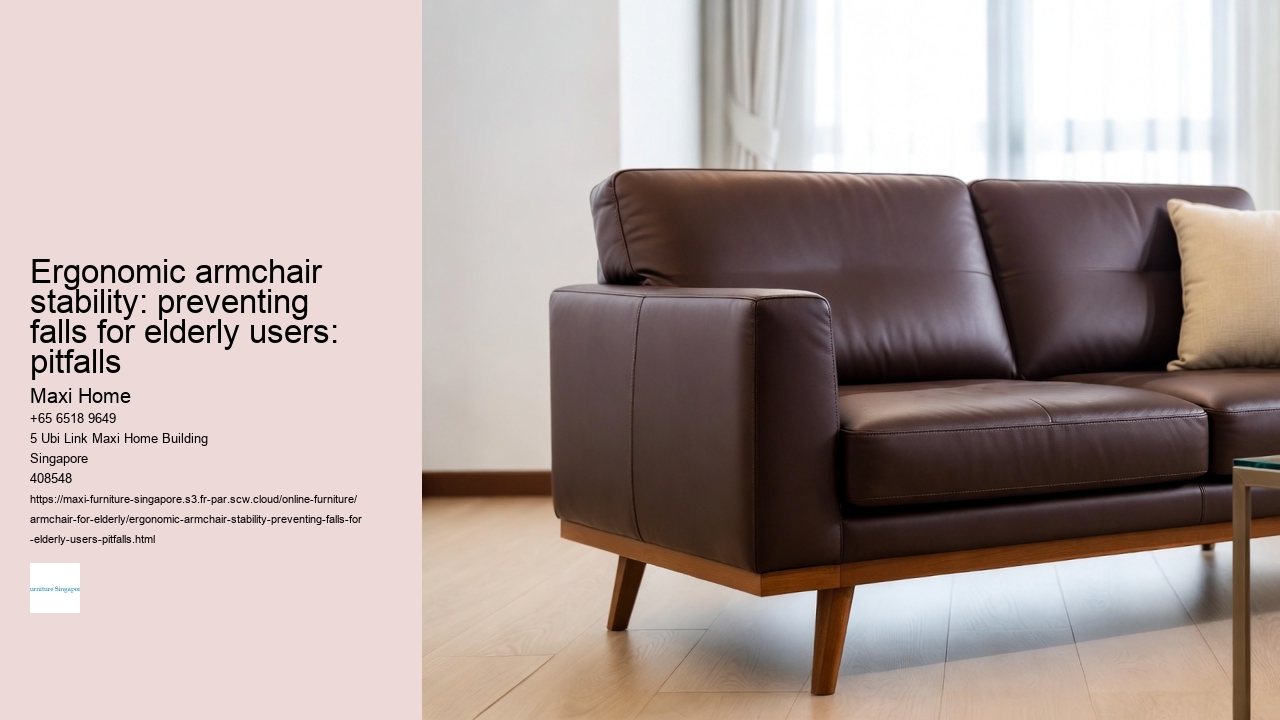
Ergonomic armchair stability: preventing falls for elderly users: pitfalls

Ergonomic armchair stability: preventing falls for elderly users: pitfalls

Introduction: Armchair Safety for Seniors

```html

Let's be real, finding the right furniture for our loved ones as they get older can be a real head-scratcher, right? Especially when it comes to something as simple as an armchair. You might think, "It's just a chair, what's the big deal?" But trust me, choosing the right armchair for elderly family members is way more important than you might think, especially here in Singapore where space is always a premium. We want them to be comfortable, independent, and most importantly, safe. Falling is a serious concern for seniors, and an unstable or poorly designed armchair can definitely contribute to that risk. Think about it: they’re getting up and down multiple times a day, sometimes with a little less strength and balance than before. That's why we need to pay extra attention to armchair stability and ergonomic design.

We're talking about creating a living space where they can relax and enjoy their golden years without constantly worrying about taking a tumble. It's about giving them the confidence to move around their own home with ease. And let's be honest, peace of mind for us too, knowing they're safe and sound. So, let's dive into what makes an armchair truly safe and supportive for our elderly loved ones. We'll cover everything from stability features to ergonomic considerations, and even some common pitfalls to avoid when you're shopping around. After all, we want to make sure they're sitting pretty, not precariously!

Understanding the Risks: Why Armchair Stability Matters

Okay, so why are we making such a fuss about armchair stability? Well, falls are a major concern for older adults. They can lead to serious injuries, like fractures, head trauma, and even a loss of independence. And the scariest part? Many falls happen right in the home, often while simply trying to sit down or stand up from a chair. It's a pretty sobering thought, isn't it? A study even showed that a significant percentage of falls among seniors occur because of unstable or poorly designed seating. Imagine that – something meant to provide rest and support actually causing harm. That's why choosing the right armchair designed for elderly users is so crucial. We're not just talking about comfort here; we're talking about preventing potentially life-altering accidents.

Think about Auntie Mei trying to get out of her low-slung sofa after a long day. She struggles, wobbles a bit, and that’s exactly the kind of scenario we want to avoid. A stable armchair provides a solid base, making it easier for seniors to sit and stand without losing their balance. It reduces the strain on their joints and muscles, and gives them the confidence to move around independently. Plus, a good armchair can actually encourage them to be more active, which is fantastic for their overall health and well-being. So, yeah, armchair stability? It's kind of a big deal. And it’s something we should all be thinking about when furnishing a home for our aging parents or grandparents. It's about creating a safe and supportive environment where they can thrive.

Key Features of a Stable and Safe Armchair for Elderly Users

Alright, so what exactly makes an armchair stable and safe for our elderly folks? It's not just about picking the biggest, bulkiest armchair you can find. It's about understanding the key features that contribute to its overall stability and support. Think of it like building a strong foundation for a house – you need the right materials and design to ensure it can withstand the test of time. First off, let's talk about the base. A wide, solid base is essential for preventing tipping. The main living area is often the primary spot guests see and where the family spends most evenings, so it is logical to want pieces that looks good, hides wires cleanly, and keeps the area feeling open than it already feels in most SG flats. Many homeowners deal with oversized outdated units or cheap units that wobble, attract dust fast, or just don’t align with contemporary style they’re aiming for. That’s exactly where a well-chosen furniture really delivers—it delivers streamlined compartments for media devices, set-top boxes, and remote controls while becoming a chic statement piece that ties the whole living area together with minimalist profiles, thoughtful compartments, and premium finishes. SUDDENLY the TV area becomes organised and intentional, the area feels more spacious and cohesive, and Netflix sessions feel so much better without the mess pulling focus. Exploring handpicked selections on sites such as Wondrous La Vie helps you discover options tailored to your home exactly, from clean contemporary to opulent, so your living area transformation becomes easy and perfect.. Look for armchairs with legs that are splayed outwards slightly, as this will provide a wider footprint and greater stability. Avoid armchairs with narrow or spindly legs, as they can be easily knocked over. Something steady, like those solid wooden ones, confirm can last longer lah.

Next up, consider the height of the seat. It shouldn't be too low, as this can make it difficult for seniors to stand up. Aim for a seat height that allows their feet to rest flat on the floor with their knees bent at a 90-degree angle. This will help to reduce strain on their joints and muscles. Armrests are also crucial. They should be sturdy and positioned at a height that allows seniors to push themselves up easily. After a long day being crammed in the MRT and grinding through meetings, most Singapore homeowners just want to come home to a space that feels cosy and stress-free instead of making things worse. A messy living area or an unrestful bedroom can make chilling out even more difficult, especially when the entire family hope to relax together. That’s where thoughtful interior design singapore really makes a difference—it turns everyday rooms like your hall, master bedroom, or kitchen area into true recharge spots that actually help you refresh your energy. With the right sofa, mattress, or smart layout, suddenly coming home feels damn shiok, and simple upgrades can bring big improvements to your mood and family time. Places like Wondrous La Vie make it easier to discover inspiration and connect with home designers who understand the Singapore home vibe perfectly. This format lets you easily generate multiple SEO-optimised variations while keeping the core keyword "interior design" stable in the middle for strong on-page targeting.. Avoid armchairs with flimsy or wobbly armrests, as they won't provide adequate support. And finally, think about the weight of the armchair itself. A heavier armchair will generally be more stable, but it should still be easy enough to move around if needed. You don't want your parents struggling to rearrange their living room just to vacuum! So, when you're shopping for an armchair, keep these key features in mind. It's about finding the right balance between stability, support, and ease of use. Like that, you’re on the right track!

Ergonomic Armchair Design for Seniors: Comfort and Support

Beyond just stability, ergonomics play a huge role in making an armchair truly comfortable and supportive for seniors. Ergonomics, in simple terms, is all about designing things to fit the human body, minimizing strain and maximizing comfort. And when it comes to armchairs, that means paying attention to things like seat depth, back support, and lumbar support. A good ergonomic armchair will help to maintain proper posture, reduce pressure points, and prevent aches and pains. Think of it as a custom-fit suit for their body, providing support where they need it most.

For example, a seat that's too deep can cause seniors to slouch, putting strain on their lower back. A seat that's too shallow, on the other hand, can be uncomfortable and not provide enough support. The ideal seat depth should allow them to sit with their back against the backrest and their feet flat on the floor, with a few inches of space between the back of their knees and the edge of the seat. Back support is also essential. Look for armchairs with a high backrest that provides support for the entire spine. Lumbar support, in particular, is crucial for preventing lower back pain. Some armchairs even come with adjustable lumbar support, allowing you to customize the fit to their individual needs. And don't forget about the armrests! They should be positioned at a height that allows their shoulders to relax and their elbows to rest comfortably. All this attention to detail might seem like a lot, but trust me, it makes a world of difference in terms of comfort and support. It's about creating an armchair that truly caters to their needs, allowing them to relax and enjoy their time at home without any unnecessary discomfort. Steady lah, we're getting there!

Common Pitfalls to Avoid When Choosing an Armchair

So, you're armed with all this knowledge about armchair stability and ergonomics. But before you rush out and buy the first armchair you see, let's talk about some common pitfalls to avoid. Because even with the best intentions, it's easy to make mistakes when you're not sure what to look for. One of the biggest mistakes is focusing solely on aesthetics. Sure, you want an armchair that looks nice and complements your living room decor. But don't let style overshadow safety and functionality. A beautiful armchair that's unstable or uncomfortable is ultimately useless. Another common pitfall is choosing an armchair that's too low or too soft. While a plush, low-slung armchair might seem inviting, it can be incredibly difficult for seniors to get in and out of. Remember, you want to make their lives easier, not harder. It’s like trying to climb Mount Faber with slippers – not a good idea!

And don't forget about the fabric! Avoid fabrics that are slippery or difficult to clean. Opt for durable, stain-resistant fabrics that are easy to maintain. Leather or microfiber are good choices. It's also important to consider the size of the armchair in relation to the room. A huge, bulky armchair might overwhelm a small living room, making it difficult to move around. Measure the space carefully before you start shopping, and choose an armchair that fits comfortably without crowding the room. Finally, don't be afraid to ask for help! Talk to the salespeople at the furniture store, and explain your specific needs and concerns. They can often provide valuable advice and guidance, and help you find the perfect armchair for your elderly loved ones. So, avoid these common pitfalls, and you'll be well on your way to choosing an armchair that's both safe and comfortable. It's all about doing your homework and making informed decisions. Like that, can’t go wrong one!

Customization and Adaptability: Meeting Individual Needs

Here's a little secret: there's no such thing as a one-size-fits-all armchair. Everyone is different, with their own unique needs and preferences. That's why customization and adaptability are so important when choosing an armchair for elderly users. Think about it: your parents might have different heights, weights, and mobility levels. What works for one person might not work for another. That’s why the option for customization is so important. One of the easiest ways to customize an armchair is to add cushions or pillows. A small cushion behind the back can provide extra lumbar support, while a seat cushion can raise the seat height for those who need it. Singapore homeowners often deal with particular difficulties when outfitting their living spaces, especially due to compact apartment living and year-round moisture levels that test material durability. This is the very why many smart local shoppers shop very thoughtfully to find the best value. armchair for elderly consistently ranks as a smart investment that offers both superior comfort and practicality. Make sure you investing in reasonably priced options in Singapore with first-class after-sales service means you get full support with features like timely island-wide delivery, professional-grade installation, and robust warranties that deliver true long-term peace of mind for years ahead.. You can also add armrest pads to make the armrests more comfortable and supportive. Another option is to look for armchairs with adjustable features. Some

Ergonomic armchair weight capacity: ensuring safety for senior users: pitfalls
Common Causes of Falls from Armchairs

Choosing the right armchair, especially for our elderly loved ones, is more important than you might think. It's not just about finding something comfy to lepak in front of the TV, is it? It’s about safety and maintaining independence. Falls from armchairs can lead to serious injuries, and no one wants that, right? In Singapore’s non-stop life, stepping into your home to a space that feels truly inviting can make a huge impact after a tiring day of work and commuting. Many Singapore homeowners start by eyeing upgrades for their living room or bedroom, hoping for pieces that appear elegant while genuinely cozy enough for real life. That’s exactly why mattress singapore stands out—it brings that beautiful combination of sophisticated style, premium materials, and real ergonomic support that turns everyday spaces into havens you can’t wait to return to chilling in. Picture settling into a plush sofa after evening meal or feeling truly rested on a luxury sleep surface that cradles your body perfectly; suddenly, your home feels more like a personal retreat not just four walls. In Singapore’s smaller HDB and condo homes, clever storage is often the difference between a calm, organised space and one that feels constantly cluttered no matter how much you clean up. local residents frequently deal with overloaded racks, random boxes under the bed, or units too deep for easy access or too shallow to hold much, making routine home time feel more overwhelming than necessary. That’s precisely where a smart sofa singapore steps up—it provides customised sections, adjustable shelves, sleek closed doors to hide mess, and small-footprint builds that optimise every centimetre while contributing a sleek modern vibe to living areas, bedrooms, or even cooking zones. The end result is your house that stays neat with minimal effort, surfaces stay clear for family activities, and you finally get that deeply pleasing organised vibe that makes walking in the door feel damn good. Platforms like Wondrous La Vie highlight numerous smart and attractive designs, helping you choose the ideal fit that matches your specific requirements and layout without guesswork.. Exploring thoughtfully chosen pieces on places like Wondrous La Vie helps you discover these items without the overwhelm, making it easier to create a space that’s both beautiful and restorative.. So, let's dive into what makes an armchair a potential hazard and how to avoid those pitfalls. After all, we want our parents and grandparents to enjoy their golden years, not spend them recovering from preventable accidents.

The Stability Factor: Why Some Armchairs Topple

Think about it: an armchair should be a fortress of relaxation, not a teeter-totter waiting to tip. One of the biggest culprits behind falls is simply unstable armchair design. What does that even *mean*, though? Well, a few things. First, the base. Is it wide enough? A narrow base, especially on a tall armchair, is just asking for trouble. Imagine trying to stand on a pair of stilts – not exactly the steadiest, is it? Similarly, if the legs are wobbly or uneven, that creates an inherently unstable situation. You might not notice it right away, but over time, that slight wobble can become a significant risk.

Then there's the weight distribution. A well-designed furniture piece will have its weight evenly distributed across the frame. If it's top-heavy – say, a high back with a light base – it's more likely to tip forward when someone leans forward to get up. This is especially important for elderly users who may have reduced muscle strength and balance. They need an armchair that supports them, not fights against them. And it's not just about the initial design. Over time, wear and tear can weaken the frame, making it more susceptible to instability. That old armchair that's been in the family for generations? It might be time for a safety check, or even a replacement, lah.

Consider the floor surface, too! An armchair that's perfectly stable on carpet might become a skating rink on a smooth tile floor. Those little felt pads you can stick to the bottom of the legs? They're not just for preventing scratches; they can also add a crucial layer of grip and stability. It's these small details that can make a big difference in preventing falls. And let’s be real, who wants to end up in the A&E because of a dodgy armchair? Not me, that's for sure!

Poor Ergonomics: When Comfort Becomes a Curse

Ergonomics. It's a fancy word, but it basically means designing things to fit the human body comfortably and efficiently. When it comes to armchairs for elderly users, poor ergonomics can be a major contributor to falls. Think about the seat height. Is it too low? Getting up from a low armchair requires significant effort, especially for someone with weak knees or hip problems. They might struggle to stand, lose their balance, and… well, you can guess what happens next. On the other hand, if the seat is too high, their feet might dangle, making it difficult to get a firm footing when standing up. It’s like trying to balance on your toes – not the most stable position, is it?

Then there's the seat depth. A seat that's too deep can force you to slouch, putting strain on your back and making it harder to maintain good posture. This can lead to muscle weakness and fatigue, increasing the risk of falls. Armrests are another crucial factor. Are they at the right height and position? Armrests that are too low or too far apart can make it difficult to push yourself up to a standing position. They need to be sturdy and supportive, providing a reliable point of leverage. And don't forget about lumbar support! A lack of proper back support can lead to pain and discomfort, making it harder to maintain balance and coordination. It’s all connected, you see?

The best ergonomic furniture designs consider all these factors, ensuring that the armchair supports the body in a natural and comfortable way. It's about creating an environment that promotes stability and reduces the risk of falls. And honestly, isn't that what we all want? A comfy, safe place to relax after a long day, especially for those who need it most.

User Factors: Physical Limitations and Risky Behaviors

Okay, so we’ve talked about the armchair itself, but let's be real: the user plays a huge role too. Physical limitations, like reduced muscle strength, balance problems, and impaired vision, can all increase the risk of falls from armchairs. If someone has difficulty standing or walking, even a perfectly designed armchair can become a hazard. Think about it: if they're already unsteady on their feet, any slight instability in the armchair can be enough to tip them over.

Medications can also play a role. Some medications can cause dizziness, drowsiness, or confusion, all of which can increase the risk of falls. It's important to be aware of the potential side effects of any medications being taken and to discuss them with a doctor or pharmacist. And let's not forget about risky behaviors. Reaching for something while seated, leaning too far to one side, or trying to get up too quickly can all lead to falls. It's like trying to perform acrobatics in your living room – not exactly a recipe for success, is it? Encouraging safe sitting and standing habits can make a big difference. Simple things like using a grab bar for support or taking your time when getting up can significantly reduce the risk of falls. Just a little mindfulness can go a long way, leh.

Also, consider the lighting. Is the area around the armchair well-lit? Poor lighting can make it difficult to see obstacles or judge distances, increasing the risk of trips and falls. A simple bedside lamp can be a lifesaver. It's all about creating a safe and supportive environment that minimizes the risk of accidents. After all, we want our loved ones to feel confident and secure in their own homes, not afraid of taking a tumble. Sometimes, it's the small changes that make the biggest difference.

Modifications and Solutions: Enhancing Armchair Safety

So, what can we *do* about all this? The good news is that there are plenty of modifications and solutions that can enhance armchair safety and prevent falls. First, let's talk about those unstable armchairs. If you have an armchair that's wobbly or uneven, consider adding leg extensions or levelers to stabilize it. These are relatively inexpensive and easy to install, and they can make a big difference in stability. You can even find ones that are adjustable, so you can fine-tune the height to perfectly match the user's needs. Think of it as giving your armchair a little makeover – a safety makeover, that is!

For armchairs that are too low, consider adding a seat cushion or riser to increase the seat height. This can make it easier to stand up and reduce strain on the knees and hips. Just make sure the cushion is firm and supportive, not soft and squishy, which could actually make it harder to get up. And speaking of support, consider adding armrest extensions or padded armrests to provide a more comfortable and secure grip. This can make it easier to push yourself up to a standing position and reduce the risk of falls. You know, like those fancy ergonomic armchairs you see in the stores? You can get that kind of support without buying a whole new armchair.

And don't forget about those slippery floors! Adding non-slip mats or rugs around the armchair can provide extra traction and prevent slips and falls. These are especially important on hard surfaces like tile or wood. You can even find non-slip mats that are specifically designed for use with armchairs, with cutouts for the legs to prevent tripping hazards. It's all about creating a safe and supportive environment that minimizes the risk of accidents. Because at the end of the day, a little bit of prevention is worth a whole lot of cure, confirm can!

Choosing the Right Armchair: A Checklist for Prevention

Alright, so you're on the hunt for a new armchair, specifically one that's safe and comfortable for an elderly user. Where do you even start? Don't worry, I've got you covered. Here's a checklist to guide you through the process. First, stability. Make sure the armchair has a wide, sturdy base and that the legs are even and stable. Give it a good shake – if it wobbles, move on. You want something that feels solid and secure, like a rock. Next, consider the seat height. The ideal seat height will allow the user to sit with their feet flat on the floor and their knees at a 90-degree angle. This will make it easier to stand up and reduce strain on the joints. It's all about finding that sweet spot, not too high, not too low.

Then there's the seat depth. A seat that's too deep can force you to slouch, so look for an armchair with a shallower seat depth that provides good back support, and lumbar support is key! Make sure the armchair has adequate back support to promote good posture and reduce strain on the back. Adjustable lumbar support is even better, as it allows you to customize the fit to the user's individual needs. And finally, consider the armrests. The armrests should be at a comfortable height and position, allowing the user to easily push themselves up to a standing position. Padded armrests are a nice bonus, providing extra comfort and support. Just like Goldilocks, you want something that's "just right."

Don't be afraid to ask questions and try out different armchairs before making a decision. Sit in them, stand up from them, and see how they feel. If possible, bring the elderly user with you to test out the armchairs themselves. After all, they're the ones who will be using it, so their opinion is the most important one. And remember, safety should always be your top priority. A comfortable armchair is great, but a safe armchair is even better. Choosing the right armchair is an investment in their well-being and independence. It's a small thing that can make a big difference in their quality of life. And honestly, isn't that what we all want for our loved ones? A safe, comfortable, and happy home.

Key Ergonomic Design Features for Stability

Okay, *lah*, let's dive into making this article steady and helpful for Singaporean homeowners! Here's the HTML fragment focusing on the specific section you outlined, remember to integrate this into the broader article.

Base Stability

A stable base is absolutely crucial for an armchair designed for elderly users. Think of it as the foundation of a building – if it's not solid, everything else is at risk. After those endless workdays and the daily MRT squeeze, nothing beats walking into a living area that actually encourages relaxation instead of piling on more tiredness. Many busy Singapore households realise their old couch just isn’t up to standard—too stiff, too worn, or simply not supportive enough for movie nights or relaxed Sundays with the kids. That’s precisely where Italian furniture singapore becomes a game-changer—it combines classic elegance, buttery-soft fabrics, and smart comfort engineering so you can sink in and truly relax without your spine protesting the next day. Visualise the whole family hanging out comfortably, talking during dinner or binge-watching shows, because the space finally feels cosy and inviting. Choosing the ideal sofa through handpicked collections on Wondrous La Vie removes the hassle, letting you discover that dream sofa that elevates your entire home vibe without the usual reno headaches.. A wider base, whether it's a four-legged design with splayed legs or a solid pedestal, provides a lower center of gravity, making the chair less likely to tip. Consider armchairs with non-slip feet or rubberized pads to further enhance stability, especially on smooth flooring common in many Singaporean homes. This is important, *leh*, because a simple slip can lead to a nasty fall.

Armrest Height

Armrest height plays a significant role in providing support and leverage when sitting down or standing up. Ideally, the armrests should be high enough to offer a firm grip but not so high that they cause shoulder strain. A good rule of thumb is to have the armrests at a height that allows the user's elbows to rest comfortably at a 90-degree angle. Properly positioned armrests enable elderly users to push themselves up with ease, reducing the risk of imbalance and falls, especially after a long day visiting relatives, *one*.

Seat Height

Seat height is paramount for safe and comfortable use. If the seat is too low, it can be difficult and straining to stand up, increasing the risk of falls. Conversely, a seat that's too high can cause the user's feet to dangle, compromising stability and potentially leading to circulation issues. The ideal seat height allows the user to place their feet flat on the floor with their knees bent at a comfortable angle. Adjustable seat height is a bonus, allowing for customization based on individual needs and preferences – *confirm can* find something suitable.

Seat Angle

The angle of the seat can significantly impact posture and ease of sitting and standing. A slight forward tilt can encourage proper posture and make it easier to rise from the chair. Avoid seats that slope excessively backward, as this can make it difficult to get up and increase the risk of sliding forward. A neutral or slightly forward-sloping seat promotes a natural and stable posture, reducing strain on the back and hips and making it easier for elderly users to maintain their balance, *like that*.

Material Matters

The materials used in constructing the armchair contribute to its overall stability and safety. Sturdy, durable materials like solid wood or reinforced steel frames provide a solid foundation. The upholstery should be non-slip and easy to clean, preventing accidental slips and spills. Breathable fabrics are also essential for comfort, especially in Singapore's humid climate. Choosing the right materials ensures that the armchair remains stable and supportive for years to come, offering peace of mind and reducing the risk of falls, *steady*.

Material Choices and Their Impact on Safety

So, you're setting up your new place, huh? Maybe it's a fresh BTO, a resale flat getting a facelift, or just a much-needed furniture upgrade. You're thinking about everything – the sofa, the dining table, even that cool feature wall you saw on Pinterest. But have you considered the furniture, specifically armchairs, with an eye toward safety, especially if you have elderly folks at home or anticipate them visiting often? It's not always top-of-mind, but it's super important, lah! We're talking about preventing falls and ensuring comfort, right? Let's dive into how material choices in armchairs can make a real difference.

The Foundation: Frame Materials and Stability

The armchair's frame is its backbone, the unsung hero holding everything together. The material used here dramatically impacts its stability and durability. Think about it: a flimsy frame is more likely to wobble or even break, posing a fall risk, especially for someone with limited mobility. So, what are the common contenders?

Solid Wood: Solid wood frames, like those made from teak, mahogany, or even rubberwood (a popular, sustainable option here in Singapore), are generally your best bet for stability. They offer excellent strength and can withstand years of use. Plus, they often look pretty darn good! A well-crafted solid wood armchair will have a good weight to it, which contributes to its stability. Imagine your Ah Ma trying to get up from a chair that slides away – not good, right? But solid wood can be pricier, one. It's a balancing act, finding that sweet spot between quality and budget. Look for hardwoods with tight grains; they're usually stronger and more resistant to warping.

Engineered Wood: Engineered wood, such as plywood or MDF (Medium-Density Fiberboard), is a more affordable alternative. It can be surprisingly strong, especially when constructed well. However, the quality can vary significantly. Look for engineered wood that's been properly treated and reinforced, especially at the joints. Check the weight rating of the armchair; a higher rating generally indicates a sturdier frame. For elderly users, make sure the chair doesn’t bend or flex excessively when they sit or stand. That feeling of solidity is key for confidence and safety.

Metal: Metal frames, often made of steel or aluminum, can also be very strong and durable. They're often used in more modern or minimalist designs. Steel is heavier and generally stronger than aluminum, but aluminum is more resistant to rust. If you're considering a metal-framed armchair for elderly, pay close attention to the welding quality. Weak welds can be a point of failure. Also, ensure that the metal is properly coated to prevent corrosion, especially in Singapore's humid climate. And for goodness sake, make sure there are no sharp edges! We don't want any accidents, do we?

Upholstery Fabrics: Grip and Slip Resistance

Okay, so the frame is sorted. Now, let's talk about what you're actually sitting on – the upholstery! The fabric you choose plays a huge role in preventing slips and falls. Think about it; a slippery fabric can make it difficult to get up or sit down, especially for someone with weaker leg muscles or balance issues. The goal is to find a fabric that offers a good grip without being too rough or uncomfortable. It's a bit like finding the perfect durian – the right balance of everything!

Natural Fibers: Natural fibers like cotton, linen, and wool are generally good choices for slip resistance. They have a slightly textured surface that provides a decent grip. Cotton is breathable and relatively affordable, making it a popular option. Linen is also breathable and has a nice, natural look, but it can wrinkle easily. Wool is naturally stain-resistant and durable, but it can be a bit warmer, which might not be ideal for Singapore's climate. Consider a cotton-linen blend; you get the best of both worlds! Plus, natural fibers tend to be more skin-friendly, which is a bonus for sensitive skin.

Synthetic Fibers: Synthetic fibers like polyester and microfiber are often more durable and stain-resistant than natural fibers. They can also be treated to improve their slip resistance. Look for fabrics with a slightly textured weave or a non-slip backing. Microfiber is particularly soft and comfortable, but it can be a bit slippery if not treated properly. Polyester is a good all-around option that's relatively affordable and easy to clean. Just be sure to check the label to see if it's been treated for slip resistance. You don't want your Ah Kong sliding off the chair every time he tries to stand up, right?

Leather and Faux Leather: Leather and faux leather can be tricky. They look luxurious and are easy to clean, but they can be quite slippery, especially when new. If you're set on leather, consider a textured leather or one that's been treated to improve its grip. Faux leather is generally more affordable, but the quality can vary significantly. Look for a faux leather that has a good texture and feels sturdy. You might want to add a non-slip cushion or throw to provide extra grip. Confirm steady, right?

Cushioning and Support: Density and Resilience

The cushioning in an armchair for elderly is about more than just comfort; it's also about support and stability. The right cushion density and resilience can make it easier to sit down and stand up, reducing the risk of falls. Think of it like this: a cushion that's too soft will sink too much, making it difficult to get up. A cushion that's too firm won't provide enough support and can be uncomfortable. It's all about finding that Goldilocks zone!

Foam Density: Foam density refers to the weight of the foam per cubic foot. Higher density foams are generally more durable and provide better support. For elderly users, look for a foam density of at least 1.8 pounds per cubic foot. This will provide enough support without being too hard. Memory foam can be a good option, as it molds to the body and provides excellent pressure relief. However, it can also make it more difficult to move around, so it's not always the best choice for everyone. Consider a combination of high-density foam and a layer of memory foam for the best of both worlds.

Spring Systems: Some armchairs use spring systems in their cushions to provide extra support and resilience. Pocketed coil springs are a good option, as they provide individual support and reduce motion transfer. This means that if someone moves on one side of the chair, it won't disturb the person sitting on the other side. Sinuous springs are another common option, but they can be less durable than pocketed coil springs. If you're considering an armchair with springs, be sure to test it out to see how it feels. Singapore homes can feel particularly tight after a hectic day of rushing between office, meetings, and the inevitable MRT crowd, so it’s no wonder many people crave a space that immediately soothes you the moment they enter their home. The living area often ends up as the central hub of family life, yet it’s easy for it to become cluttered with mismatched pieces or sofas and chairs past their prime, leaving everyone apart instead of together. That’s where mattress promotions really makes the magic happen—it lifts the room to another level with refined arrangements, high-end materials and finishes, designer lighting accents, and supportive pieces with stunning design, creating an welcoming centre where everyone naturally gathers to relax, chat, or bond effortlessly. Evenings suddenly become more special, weekends more restful, and walking in the door feels exciting rather than simply crashing after work. Sites such as Wondrous La Vie make discovering such enhancements simple, helping you see and select the perfect pieces to create your dream living space that matches your lifestyle perfectly.. Sit on it for a while and try getting up and down to see if it provides enough support.

Cushion Height and Depth: The height and depth of the cushion are also important considerations. The cushion should be high enough that the user can sit down and stand up easily, but not so high that their feet dangle. The depth should be deep enough to provide adequate support for the thighs, but not so deep that the user has to scoot forward to reach the backrest. A good rule of thumb is to look for a cushion height that's about the same as the user's knee height. This will make it easier to sit down and stand up without straining their knees. Like that, can already imagine the perfect fit, right?

Easy Cleaning and Maintenance: Hygiene Matters

Let's be real, spills happen. Especially if you have kids or elderly folks at home. Choosing materials that are easy to clean and maintain is crucial for hygiene and longevity. Nobody wants to be scrubbing stains for hours, right? And hygiene is extra important for those with weakened immune systems.

Stain-Resistant Fabrics: Stain-resistant fabrics are a lifesaver. Look for fabrics that have been treated with a stain-resistant finish. These finishes help to repel liquids and prevent stains from setting in. Common stain-resistant treatments include Teflon and Scotchgard. Be sure to follow the manufacturer's instructions for cleaning these fabrics. Avoid using harsh chemicals, as they can damage the finish. A quick wipe with a damp cloth is usually all it takes to clean up spills.

Removable and Washable Covers: Removable and washable covers are another great option. This allows you to easily remove the covers and throw them in the washing machine for a thorough cleaning. Look for covers that are made from durable fabrics that can withstand repeated washing. Be sure to follow the manufacturer's instructions for washing and drying the covers. Avoid using bleach, as it can damage the fabric. Air drying is usually the best option, as it prevents the covers from shrinking.

Easy-to-Clean Frames: Don't forget about the frame! Choose a frame material that's easy to clean and maintain. Solid wood frames can be wiped down with a damp cloth. Metal frames can be cleaned with a mild detergent and water. Avoid using abrasive cleaners, as they can scratch the finish. For upholstered frames, use a vacuum cleaner with a brush attachment to remove dust and debris. Spot clean any stains with a mild detergent and water. Regular cleaning will help to keep the frame looking its best and prevent the buildup of dirt and grime. So, there you have it – a few things to keep in mind when choosing an armchair for elderly. It's all about finding that balance between comfort, style, and safety. And remember, a little bit of extra thought can go a long way in preventing falls and ensuring the well-being of your loved ones. Happy furnishing!

Preventing Falls in Elderly Users

Fall prevention is a key consideration in armchair design for the elderly. Armchairs should feature non-slip surfaces and be easy to grip. Clear pathways around the chair and adequate lighting can further minimize fall risks.

Armchair Stability and Fall Prevention

A stable armchair is crucial for elderly users to prevent falls. Instability can lead to accidents when seniors attempt to sit or stand. Prioritizing a sturdy base and balanced design is essential for safety.

Prioritizing User Needs

When selecting an ergonomic armchair for seniors, consider their individual needs and physical limitations. Factors like mobility issues, back pain, and joint stiffness should influence the choice. Consulting with a healthcare professional can provide valuable insights.

Ergonomic Armchair Design for Seniors

Ergonomic armchairs for seniors should prioritize comfort and support. Features like adequate lumbar support and armrests can aid posture. The chair's height and depth should accommodate the user's physical needs to promote safe and easy movement.

Singaporean Home Considerations (Space Optimization)

```html

So, you're setting up your new home in Singapore, shiok! Whether it's a brand new BTO flat or a cozy condo, space is, well, precious, right? We all know the drill. And when you're thinking about furniture, especially for elderly loved ones, things get a little more, shall we say, kancheong (anxious)? You want something comfy, stylish, and above all, safe. Falls are a serious concern, especially for seniors. That's why we're diving into the world of armchairs for elderly – specifically, how to choose one that's rock-solid stable.

Let's be honest, nobody wants their grandma doing gymnastics trying to get out of her favorite chair. We want her relaxing, enjoying her kopi, and maybe watching some Channel 8 dramas. A stable armchair is key to that peace of mind. But where do you even begin? Don't worry, we've got you covered. Think of this as your ultimate guide to finding the perfect, wobble-free seating solution for your loved ones in our space-conscious Singaporean homes. And hey, even if you're not shopping for seniors, these tips can help you choose a sturdy armchair for anyone!

Understanding the Risks: Why Stability Matters

Okay, let's talk about falls. It's not a fun topic, but it's important. For elderly individuals, a fall can lead to serious injuries, like fractures, head trauma, and even a loss of independence. And often, falls happen right at home. Now, you might be thinking, "How can a chair cause a fall?" Well, imagine this: your grandfather is a bit unsteady on his feet. He sits down in an armchair that's a little too light, or maybe the legs are a bit wobbly. The chair tips slightly, throwing him off balance, and boom – a fall. See? It's not always about clumsiness; sometimes, it's the furniture itself that's the culprit.

Ergonomic armchair design for seniors plays a huge role here. A chair that's too low to the ground can be difficult to get out of, requiring extra effort and increasing the risk of losing balance. Similarly, a chair with flimsy armrests might not provide enough support when someone is trying to stand up. And those swivel chairs that look so stylish? They can be a disaster waiting to happen if someone isn't expecting the seat to move. So, when you're choosing an armchair for elderly, you're not just buying a piece of furniture; you're investing in their safety and well-being.

Think about the daily routines of your elderly family members. Where do they spend most of their time? What activities do they enjoy while seated? Do they need help getting in and out of chairs? Answering these questions will help you identify the specific features and stability requirements that are most important for their needs. It's all about creating a safe and comfortable environment where they can relax and enjoy their golden years, without the fear of falling. After all, isn't that what we all want for our loved ones?

Key Features for a Stable Armchair

Alright, so what makes an armchair "stable," anyway? It's not just about how heavy it is, although that definitely plays a part. Several factors contribute to a chair's overall stability and ability to prevent falls. Let's break down the key features you should be looking for when you're shopping for an armchair for elderly:

  • Solid Frame Construction: This is the foundation of a stable chair. Look for armchairs with frames made from solid wood (like teak or mahogany) or strong metal. Avoid lightweight materials like particleboard or flimsy plastic, as they're more likely to wobble or break over time. Check the joints where the different parts of the frame are connected. Are they securely screwed or bolted together? Or are they just glued? Solid construction is key to long-term stability.
  • Wide Base and Low Center of Gravity: A wider base provides more surface area for the chair to rest on, making it less likely to tip over. A lower center of gravity also helps improve stability. Think of it like this: a tall, skinny glass is easier to knock over than a short, wide one. The same principle applies to armchairs.
  • Sturdy Legs with Non-Slip Feet: The legs are the chair's connection to the floor, so they need to be strong and stable. Look for legs that are made from solid wood or metal and that are securely attached to the frame. Non-slip feet are also essential, especially on smooth surfaces like tile or hardwood. These little rubber or plastic pads prevent the chair from sliding around, reducing the risk of falls. You can even add aftermarket non-slip pads if the chair you like doesn't have them!
  • Supportive Armrests: Armrests aren't just for resting your arms; they also provide support when getting in and out of the chair. Look for armrests that are wide, sturdy, and positioned at a comfortable height. They should be easy to grip and provide enough leverage to help someone stand up safely. The height is really important, one!
  • Appropriate Seat Height and Depth: This is crucial for comfort and safety. The seat height should allow the user to sit with their feet flat on the floor and their knees at a 90-degree angle. If the seat is too low, it can be difficult to stand up. If it's too high, it can put pressure on the back of the knees. The seat depth should also be appropriate for the user's height. A seat that's too deep can make it difficult to sit back comfortably, while a seat that's too shallow might not provide enough support.

Remember, when you're evaluating an armchair for elderly, don't just look at the aesthetics. Focus on the underlying construction and design features that contribute to stability and safety. It's better to choose a chair that's a little less stylish but much more secure than to compromise on safety for the sake of looks.

Space Optimization in Singaporean Homes

Okay, let's address the elephant in the room: space. Singaporean homes, especially BTO flats, aren't exactly known for their sprawling living rooms. So, how do you find a stable armchair for elderly that also fits comfortably into your limited space? It's a balancing act, for sure, but it's definitely achievable.

First, consider the overall layout of your living room. Where will the armchair be placed? How much space do you have to work with? Measure the available area carefully, and don't forget to factor in enough space for walking around the chair safely. You don't want to create a tripping hazard!

Next, think about the size and shape of the armchair itself. A bulky, oversized armchair might be comfortable, but it'll also eat up a lot of valuable space. Look for armchairs with a smaller footprint, such as those with a streamlined design or a more compact frame. Corner armchairs can be a great space-saving option, as they fit snugly into the corner of a room, maximizing your available space. They confirm can fit!

Multi-functional furniture is your friend! Consider armchairs with built-in storage compartments or those that can be easily folded or stacked when not in use. These features can help you make the most of your limited space and keep your living room clutter-free. Some armchairs even come with built-in massage functions, which can be a great way to relax and relieve stress after a long day.

Don't be afraid to get creative with your furniture arrangement. Experiment with different layouts to see what works best for your space. You might be surprised at how much more spacious your living room feels simply by rearranging the furniture. And remember, less is often more. Avoid overcrowding your living room with too much furniture, as this can make it feel cramped and claustrophobic. A few well-chosen pieces are always better than a room full of clutter.

Finally, consider the color and style of the armchair. Lighter colors can help make a small room feel brighter and more spacious, while darker colors can make it feel more cozy and intimate. Choose a style that complements the overall décor of your living room and that reflects your personal taste. After all, your home should be a reflection of you and your family!

Avoiding Common Pitfalls

So, you're armed with the knowledge of what to look for in a stable armchair for elderly and how to optimize space in your Singaporean home. But before you rush out to buy the first armchair you see, let's talk about some common pitfalls to avoid. These are the mistakes that many first-time homeowners make, and they can lead to disappointment, frustration, and even safety hazards.

  • Ignoring the Importance of Stability: This is the biggest mistake of all. Don't be swayed by aesthetics alone. Prioritize stability and safety above all else. Remember, you're buying this armchair for an elderly loved one, and their well-being should be your top priority.
  • Choosing an Armchair That's Too Low or Too High: As we discussed earlier, the seat height is crucial for comfort and safety. An armchair that's too low can be difficult to get out of, while one that's too high can put pressure on the back of the knees. Make sure to measure the user's height and choose an armchair with an appropriate seat height.
  • Overlooking the Quality of the Materials: Cheap materials might save you money in the short term, but they won't last long. Look for armchairs made from high-quality materials that are durable and long-lasting. Solid wood, strong metal, and durable fabrics are all good choices.
  • In Singapore’s tropical climate and fast-paced daily grind, getting quality rest can feel like a rare treat when you’re waking up with backaches or feeling groggy despite trying to rest early. Many busy locals tolerate an worn-out bed for years because looking for a new one seems daunting—too many choices, puzzling support choices, and worries it won’t suit their body or sleeping habits. That’s exactly why finding the mattress changes everything—it offers the ideal mix of proper spinal alignment, excellent airflow and cooling, pressure relief, and long-lasting quality so you truly start the day feeling refreshed instead of stiff and tired. Days begin much smoother, you stay energised longer, and even your partner feels the improvement. Checking out thoughtfully chosen picks on sites such as Wondrous La Vie takes the stress away, letting you evaluate the best-rated ones with genuine homeowner reviews and visuals to find what really suits for your sleeping space..
  • Failing to Test the Armchair Before Buying: Whenever possible, try out the armchair in person before you buy it. Sit in it, stand up from it, and see how it feels. Does it feel stable and secure? Is it comfortable? Are the armrests at a comfortable height? If you can't test the armchair in person, read online reviews and ask for recommendations from friends or family.
  • Not Considering the User's Specific Needs: Every elderly individual has unique needs and preferences. Some might need extra lumbar support, while others might need armrests that are easier to grip. Take the time to understand the user's specific needs and choose an armchair that meets those needs.
  • Forgetting About Maintenance: Even the most durable armchair will require some maintenance over time. Make sure to choose an armchair that's easy to clean and maintain. Regularly vacuum or wipe

Testing and Certification for Safety Standards

Okay, so you've finally got your BTO, or maybe you're just giving your place a fresh new look. Exciting times, right? But when you're choosing furniture, especially furniture for the whole family, it’s not just about looks lah. It’s about making sure everyone's safe and comfy, especially our elderly folks. And when it comes to armchairs, stability is key to preventing falls. No one wants a tumble, confirm plus chop!

We're talking about armchairs for elderly, and it's crucial to understand that they're not *all* created equal. You might think, "Eh, an armchair is an armchair, what." But trust me, there's a whole world of difference when it comes to safety and design. Think about it: our parents or grandparents might have different needs and physical capabilities than, say, you or me. So, how do we make sure the armchair we pick is up to the task? With Singapore’s HDB and condo layouts and tropical humidity, finding home furnishings that’s both beautiful and everyday-usable can feel like a constant search—especially when you want pieces that endure long-term without losing their look. Many Singaporeans end up going with budget furniture that appear decent in photos but don’t hold up well—either too lightweight for everyday household wear or not breathable enough for our humid conditions. That’s why visiting a reliable mattress show room singapore curated through Wondrous La Vie really stands out—it links you seamlessly with carefully chosen ranges of quality sofas, high-quality sleep surfaces, dining furniture, and more, with real showrooms or detailed visuals so you can have peace of mind about what works perfectly in your Singapore home. You get that peace of mind knowing the furniture are tailored to local needs—resilient construction, practical proportions, and looks that turn your space into a cosy haven. In the end, the ideal source turns what could be a frustrating task into an enjoyable journey toward a living environment that feels truly shiok.. That’s where testing and certifications come in, and why they're so important.

It's like buying a new phone – you want to know it’s been tested and won't explode in your pocket, right? Same same but different with armchairs! These tests make sure the chair can handle weight, won’t tip over easily, and is made of materials that won’t cause any problems. We're talking about peace of mind, knowing that your loved ones are safe and secure. So, let’s dive into what these tests and certifications actually mean, and how they can help you make the best choice for your family.

Customization Options for Enhanced Stability

So, you're setting up your new place, huh? Exciting times! Whether it’s your first BTO, a condo upgrade, or just a fresh look for your current home, finding the right furniture is key. And if you're thinking about furniture for elderly family members, especially armchairs, there’s a lot to consider beyond just looks. We’re talking about safety, comfort, and making sure they can enjoy their golden years without worrying about falls. It's not always easy, *lah*, but with the right choices, *confirm can* make a big difference.

Understanding the Stability Needs of Elderly Users

Let’s be honest, as we age, things that we used to take for granted, like getting in and out of a chair, can become a bit more challenging. Balance isn't always what it used to be, and muscle strength can decrease. Singaporeans are always on the lookout for smart ways to update their living spaces without exceeding the budget, especially when HDB renovations or condo makeovers can already consume a large portion of the reno savings. Between increasing prices and the desire for a cosier, more functional living space, many local families wait for the right timing to improve couches, beds, and dining furniture that actually make daily life feel better. That’s when jumping on furniture sales proves to be a smart move—it lets you secure well-designed, durable items at real value reductions, often with added perks like complimentary installation, added protection plans, or bundle deals that stretch your dollar further. All of a sudden you’re able to buy that plush sofa you’ve been eyeing or a better back-supporting bed without the regret, turning your home into an truly welcoming retreat for family time and relaxation after tiring office days. Checking platforms like Wondrous La Vie puts you ahead on the current deals, so you can compare, visualise, and grab the best deals that perfectly suit your space and style.. That's why when choosing an armchair for elderly users, stability is absolutely paramount. It’s not just about preventing falls; it’s about fostering independence and confidence. Imagine the peace of mind knowing your loved one can relax and get up from their chair without fear.

What exactly does stability mean in this context? Well, it boils down to a few key factors. First, we’re talking about the base of the armchair. A wider base generally offers more stability than a narrow one. Think of it like this: a pyramid is more stable than a tall, thin tower, right? The same principle applies to armchairs. A solid, well-constructed frame is also crucial. You want something that can withstand weight shifts and movements without wobbling or tipping. And then there's the issue of proper weight distribution. An armchair needs to be designed so that the weight is evenly distributed across the frame, preventing it from becoming unbalanced when someone sits down or gets up.

Beyond the physical aspects, it's also important to consider any pre-existing health conditions that might affect mobility and balance. Things like arthritis, osteoporosis, or even just general stiffness can make it harder to use a standard armchair safely. That’s why an armchair for elderly needs to be chosen carefully, keeping these factors in mind. Choosing the right one really is an act of care and consideration, isn't it?

Key Features Contributing to Armchair Stability

So, what are the specific features that make an armchair stable and safe for elderly users? Let's break it down. First up, the frame. Look for solid wood or reinforced metal frames. These materials are durable and can withstand a lot of wear and tear. Avoid flimsy plastic or lightweight frames that might easily tip over. Think of it as an investment – you want something that will last and provide reliable support for years to come. Next, consider the armrests. Sturdy, well-positioned armrests are essential for providing leverage when getting in and out of the chair. They should be wide enough to grip comfortably and high enough to offer adequate support. Low or narrow armrests are basically useless for someone who needs a little extra help standing up. It's like trying to climb a wall without any handholds!

Then there’s the seat height. This is a big one. The ideal seat height allows the user to place their feet flat on the floor while sitting, with their knees bent at a 90-degree angle. If the seat is too low, it can be difficult to stand up. If it's too high, their feet might dangle, which can be uncomfortable and unsafe. It's all about finding that sweet spot. The backrest plays a part too. A high backrest that provides good lumbar support can help maintain proper posture and reduce strain on the back. Look for a backrest that is firm but comfortable, and that supports the natural curve of the spine.

Finally, don't forget about the base. As we mentioned earlier, a wide, stable base is crucial. Look for armchairs with four legs that are spaced widely apart, or with a solid pedestal base. Avoid armchairs with a narrow or wobbly base, as these are more likely to tip over. And here's a little tip: consider adding non-slip pads to the bottom of the legs to prevent the armchair from sliding on smooth floors. It's a simple and inexpensive way to add an extra layer of safety. *Like that*, can prevent unnecessary accidents.

Customization Options for Enhanced Stability

The good news is that you don't have to settle for a one-size-fits-all armchair. There are plenty of ways to customize an armchair to meet the specific needs of elderly users. One popular option is to add a lift mechanism. These mechanisms use a motorized lift to gently raise the user to a standing position, making it much easier to get out of the chair. They're particularly helpful for people with limited mobility or strength. You can also adjust the seat height. Some armchairs come with adjustable legs that allow you to raise or lower the seat to the perfect height. If you can't find an armchair with adjustable legs, you can always add risers to the bottom of the legs to increase the height. It's a simple and effective solution.

Another customization option is to add extra padding or support. If the user has pressure sores or other skin sensitivities, you can add extra padding to the seat and backrest to provide more cushioning and comfort. You can also add lumbar support cushions to help maintain proper posture and reduce back pain. And don't forget about the armrests! If the armrests are too low or too narrow, you can add padded armrest covers to make them more comfortable and supportive. There are even armrest extenders that can be attached to the existing armrests to make them wider.

Beyond the armchair itself, there are also a number of accessories that can enhance stability and safety. For example, you can add a grab bar to the side of the armchair to provide extra support when getting in and out. You can also place a non-slip mat in front of the armchair to prevent slips and falls. And if the user has difficulty reaching the floor, you can add a footrest to provide extra support and stability. Remember, it's all about creating a safe and comfortable environment for your loved ones. *Steady* *lah*, with the right adjustments, you can make their armchair a haven of relaxation and independence.

Material Choices and Their Impact on Safety

The materials used in an armchair can have a significant impact on its safety and stability. For example, the upholstery material should be durable, easy to clean, and non-slip. Avoid materials that are slippery or that can easily stain or tear. Leather or vinyl are good choices because they are durable and easy to wipe clean. Fabric upholstery should be tightly woven and stain-resistant. Consider fabrics with a textured surface to provide better grip and prevent slipping. The filling material is also important. Look for armchairs with high-density foam filling that provides good support and cushioning. Avoid armchairs with loose or lumpy filling that can shift and create uneven surfaces. The frame material, as we discussed earlier, should be strong and durable. Solid wood or reinforced metal frames are the best choices. Avoid frames made from particleboard or other lightweight materials that can easily break or warp.

It's also important to consider the flammability of the materials. Look for armchairs that meet fire safety standards and are made from flame-retardant materials. This is especially important for elderly users who may be at higher risk of accidents involving fire. And don't forget about the environmental impact of the materials. Choose armchairs made from sustainable and eco-friendly materials whenever possible. This is not only good for the environment, but it can also be good for your health. Some materials can release harmful chemicals into the air, so it's important to choose materials that are safe and non-toxic.

Think about the texture of the fabric, too. Something too smooth can be a slip hazard, especially if someone's wearing socks. A bit of grip can make all the difference. And while we're at it, darker colors can sometimes be easier to see, especially for those with vision impairments. Little things like that can add up to a big improvement in safety and comfort. So, when you're choosing an armchair, don't just focus on the aesthetics. Take the time to consider the materials and how they can contribute to the overall safety and stability of the chair. It's an investment in your loved one's well-being.

Maintenance Tips for Long-Term Stability

Once you've chosen the perfect armchair for your elderly loved one, it's important to maintain it properly to ensure its long-term stability and safety. Regular cleaning is essential. Wipe down the upholstery regularly with a damp cloth to remove dirt and spills. Use a mild detergent if necessary. Avoid using harsh chemicals or abrasive cleaners that can damage the fabric. If the armchair has removable cushions, be sure to wash them regularly according to the manufacturer's instructions. Check the frame regularly for any signs of damage or wear. Tighten any loose screws or bolts. If you notice any cracks or breaks in the frame, have it repaired by a professional. Don't wait until the damage gets worse, as this could compromise the stability of the armchair.

Inspect the legs regularly to make sure they are still securely attached to the frame. If the legs are wobbly, tighten the screws or bolts that hold them in place. If the legs are damaged, replace them with new ones. You can often find replacement legs at hardware stores or online. And don't forget to check the non-slip pads on the bottom of the legs. If they are worn or damaged, replace them with new ones. This will help prevent the armchair from sliding on smooth floors. Periodically rotate the armchair to distribute wear evenly. This will help prevent certain areas of the armchair from becoming worn or damaged more quickly than others.

And here's a little secret: consider using furniture polish on wooden frames to keep them in good condition. It can help prevent the wood from drying out and cracking. But be careful not to use too much polish, as this can make the surface slippery. A light coating is all you need. By following these simple maintenance tips, you can help ensure that your elderly loved one's armchair remains safe, stable, and comfortable for years to come. It's a small effort that can make a big difference in their quality of life. After all, a well-maintained armchair is a happy armchair, right?

Conclusion: Investing in Fall Prevention

So, we've talked a lot about the importance of a good, stable armchair for our elderly loved ones. It might seem like a small thing, right? Just a chair. But it's so much more than that. It's about independence, dignity, and, most importantly, safety. Think about it – a fall can have a really big impact, not just physically, but emotionally too. It can shake their confidence and make them feel like they can't do things for themselves anymore. And nobody wants that, *lah*.

We’ve explored how crucial it is to consider the design of an armchair, especially when it comes to preventing falls for elderly users. We’ve seen how features like a solid base, supportive armrests, and the right seat height can make all the difference. Remember that wobbly, lightweight chair your grandma struggles to get out of? Yeah, that’s exactly what we’re trying to avoid. Investing in a well-designed armchair isn't just about comfort, it's about peace of mind for you and safety for them.

And it's not just about the chair itself, is it? It's about creating a safer environment overall. Think about the placement of the armchair. Is it near a wall for support? Is the lighting good enough so they can see clearly? Are there any rugs or cords that could be tripping hazards? These are all important things to consider when setting up a living space for an elderly person. It's about being proactive and thinking ahead, rather than waiting for something to happen. As first-time homeowners or BTO flat owners, you're setting up your space – why not make it safe from the get-go?

Now, I know what you might be thinking: "All this sounds expensive!" In Singapore’s tight condo apartments and apartments, the bedroom often serves as both retreat and multi-use space— a place for deep relaxation after tiring office hours, catch up on reading, or even set up a temporary WFH corner when the situation calls for it. It’s common for Singapore homeowners to feel frustrated by arrangements that seem too tight, overly bright illumination, or storage that eats into valuable floor space, making the room feel more practical than peaceful. That’s where thoughtful sofa truly excels—it centres around intelligent layout optimisation, soothing neutral tones, versatile bedroom pieces, and ambient and layered lighting to create a restorative haven that maximises comfort while ensuring clutter-free airflow. Suddenly your bedroom becomes the place you can’t wait to reach at the end of the day, helping you unwind faster, enjoy deeper rest, and start mornings feeling revitalised for tomorrow’s challenges. Platforms like Wondrous La Vie provide tons of authentic project showcases and easy connections to professionals skilled in these practical yet beautiful Singapore-style bedroom makeovers.. And yeah, quality furniture *can* cost a bit more upfront. But think of it as an investment in their well-being and, honestly, your own peace of mind. A stable armchair for elderly users can prevent falls, which can lead to costly medical bills and even hospital stays. Plus, a good quality armchair will last for years, so you're getting your money's worth in the long run. There are also many furniture stores in Singapore that offer customizable options and payment plans to suit different budgets. You can find something that's both affordable and meets their specific needs – *confirm can*!

Let's be honest, talking about falls and aging isn't exactly fun. It's something we often push to the back of our minds. But the truth is, it's a reality we all need to face. Our parents and grandparents won't be around forever, and we want to make their lives as comfortable and safe as possible while they are. Taking the time to choose the right armchair, making sure their living space is safe, and having open conversations about their needs can make a world of difference. It's about showing them that we care and that we're there to support them, no matter what. And isn't that what family is all about?

And hey, a little bonus? A comfortable and supportive armchair isn't just good for preventing falls. It's also great for relaxing, reading, watching TV, or just enjoying a cup of tea. It can be their little sanctuary, a place where they feel safe, comfortable, and at ease. So, in a way, you're not just investing in their safety, you're investing in their overall happiness and well-being. And that's priceless, isn't it?

Ultimately, prioritizing stable, ergonomic armchairs and fall prevention measures in Singaporean homes is about showing love and respect for our elders. It's about creating a safe and comfortable environment where they can thrive and enjoy their golden years. It's about giving them the independence and dignity they deserve. And it's about giving ourselves the peace of mind knowing that we've done everything we can to protect them. So, let's take action today and make a difference in the lives of our loved ones. They deserve it, *one*.

Check our other pages :

Frequently Asked Questions

Key risks include tipping due to uneven floors common in older HDB flats, armrests that arent sturdy enough to support rising, and bases that are too narrow, increasing the chance of falls.
Test the chair by leaning on the armrests, rocking gently, and trying to stand up from it. Ensure the base doesnt lift or wobble. Look for a wide, stable base and robust construction.
Features like reclining mechanisms or adjustable lumbar support can shift the center of gravity, making the chair less stable and potentially causing falls if not used carefully.
Yes, look for armchairs with a wide, four-legged base, solid wood or metal frames, and armrests that extend forward to provide support when standing. Avoid swivel chairs or those with a high center of gravity.
Slippery tile or hardwood floors can cause armchairs to slide, especially when getting up or sitting down. Using non-slip mats or installing rubber grips on the chair legs can greatly improve stability.