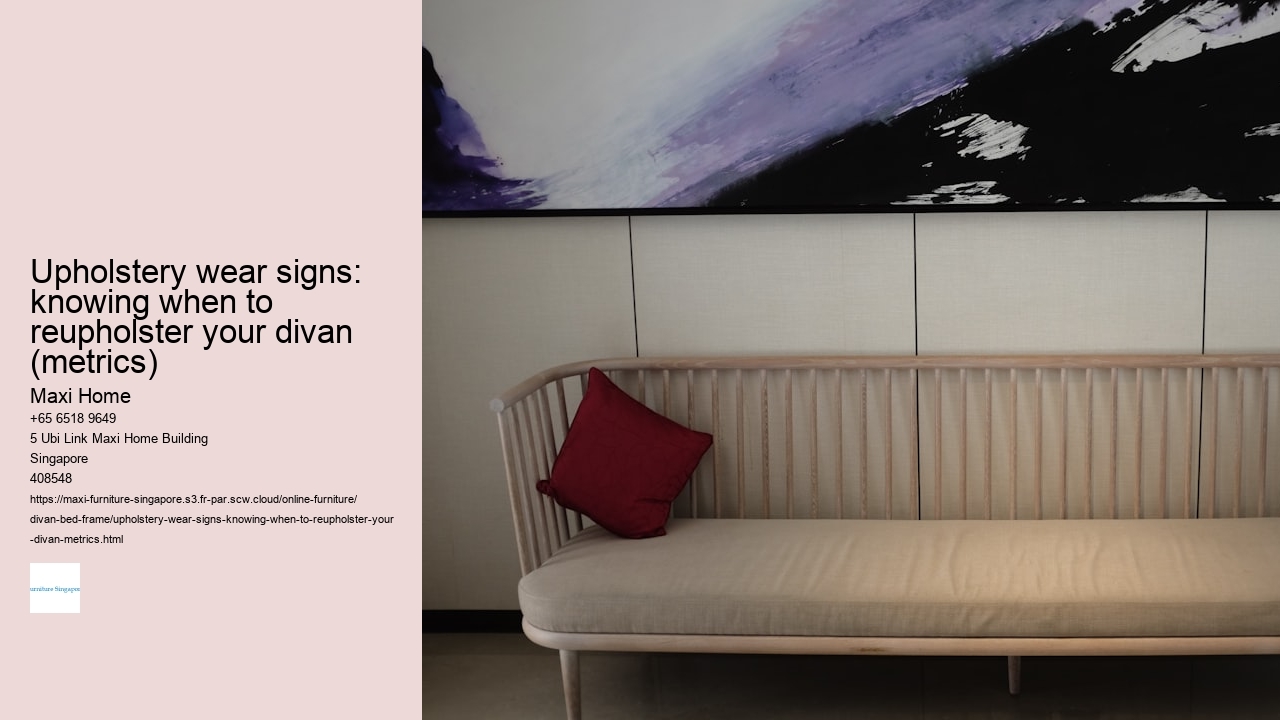
Upholstery wear signs: knowing when to reupholster your divan (metrics)

Upholstery wear signs: knowing when to reupholster your divan (metrics)

Introduction: When to Reupholster Your Divan Bed

Let's be honest, your divan bed isn't just a piece of furniture; it's the heart of your bedroom, right? It's where you unwind after a long day at work, binge-watch your favourite shows, and, of course, get some much-needed sleep. As a first-time homeowner or a young family settling into your BTO flat, you want your space to feel comfortable and stylish. But over time, even the sturdiest furniture starts to show its age. And that's where reupholstering comes in.

Think of your divan bed frame as a long-term investment. You wouldn't let your car fall apart without maintenance, would you? Same goes for your bed! Reupholstering can breathe new life into your beloved divan, saving you money compared to buying a brand new one. Plus, it's a chance to customize it to perfectly match your evolving taste. But how do you know when it's time to take the plunge? Let's dive into the tell-tale signs.

Fading and Discoloration: Is Your Divan Losing Its Spark?

One of the first things you might notice is that the vibrant colours of your divan bed frame upholstery are starting to fade. Remember that beautiful teal you picked out when you first moved in? Now it's looking a bit… washed out? Sunlight, especially in Singapore's sunny climate, can be a major culprit. Over time, UV rays break down the dyes in the fabric, causing it to lose its original lustre.

Discoloration can also occur due to spills, stains, and general wear and tear. Think about all those late-night snacking sessions in bed (we've all been there!). Even with the best intentions, accidents happen, and those little spills can leave unsightly marks that are tough to remove completely. And sometimes, even regular cleaning can't prevent gradual discoloration, especially in high-traffic areas like the headboard.

Different upholstery fabrics react differently to fading and discoloration. For example, natural fibers like cotton and linen tend to fade more quickly than synthetic fabrics like polyester or microfiber. If you opted for a budget-friendly option initially, you might find the fading becomes noticeable sooner. If your divan is looking tired and dull, even after a good cleaning, it might be time to consider reupholstering. Think of it as giving your bedroom a fresh, updated look without breaking the bank. Confirm can!

Tears, Rips, and Abrasions: Time to Patch Things Up?

Okay, let's talk about the not-so-pretty stuff: tears, rips, and abrasions. These are definitely signs that your divan bed frame upholstery has seen better days. A small tear might seem insignificant at first, but trust me, it can quickly escalate into a bigger problem. Especially if you have kids or pets who love to climb and play on the bed.

Abrasions, those worn-out patches that appear in areas of frequent contact, are another common issue. Think about where you usually sit or lean against the headboard. Over time, the friction from your clothes and skin can wear down the fabric, creating a rough, unsightly patch. And let's not forget about those accidental snags from jewellery or sharp objects. Ouch!

Ignoring these damages isn't a good idea, lah. Not only do they detract from the overall appearance of your bedroom, but they can also compromise the structural integrity of the divan. Plus, tears and rips can create entry points for dust mites and other allergens, which is definitely not ideal for your health. Reupholstering can fix these problems, restoring your divan to its former glory and creating a healthier sleep environment. Steady lah, don't worry too much, just take action when you see it getting bad!

Sagging and Loss of Support: Is Your Divan Losing Its Shape?

Beyond the visible signs of wear, pay attention to how your divan bed frame feels. Has it started to sag in certain areas? The living room is typically the initial area guests see and where the whole household gathers at night, so it feels right to want furniture that looks good, organises cables neatly, and avoids shrinking the space visually than it normally is in HDB or condo layouts. Many Singaporeans endure clunky legacy furniture or low-cost options that feel unstable, attract dust fast, or just don’t align with contemporary style they’re going for. That’s exactly where a well-chosen dining room furniture Singapore really delivers—it offers streamlined compartments for TV gadgets, streaming boxes, and remotes while serving as an elegant centrepiece that ties the whole living area together with sharp modern edges, thoughtful compartments, and high-end materials. Suddenly your entertainment setup feels tidy and purposeful, the space appears larger and more polished, and movie nights become even more enjoyable without the disorder stealing attention. Exploring handpicked selections on platforms like Wondrous La Vie makes it easy to source designs that fit your space perfectly, from minimalist to luxurious, so your hall refresh turns smooth and just right.. Does it feel less supportive than it used to? These are indicators that the internal padding and support structures are starting to break down. Over time, the foam and batting inside the divan can compress and lose their resilience, leading to a lumpy, uneven surface.

This sagging not only affects the appearance of your divan but also impacts your comfort and sleep quality. A sagging mattress can put pressure on your joints and muscles, leading to aches and pains. And let's be honest, nobody wants to sleep on a lumpy bed! Reupholstering involves replacing the old padding with new, high-quality materials, restoring the divan's shape and providing the support you need for a good night's sleep. Think of it as an investment in your well-being. You deserve a comfortable and supportive bed, right?

Outdated Style: Is Your Divan Stuck in the Past?

Sometimes, the reason you want to reupholster your divan bed frame has nothing to do with wear and tear. Maybe your style has simply evolved, and your current divan no longer fits your aesthetic. Perhaps you've renovated your home and want your furniture to match the new décor. Or maybe you're just tired of the same old look and crave a change.

Reupholstering is a fantastic way to update your divan without buying a brand new one. You can choose from a wide range of fabrics, colours, and patterns to create a custom look that reflects your personal style. Want to embrace the minimalist Scandinavian aesthetic? Opt for a neutral-toned fabric with clean lines. Prefer a more vibrant and eclectic vibe? Go for a bold pattern or a textured fabric. The possibilities are endless!

Plus, reupholstering allows you to incorporate current trends into your bedroom décor. Maybe you've been eyeing those stylish velvet divans you've seen on Instagram. Or perhaps you're drawn to the natural textures of linen and cotton. Reupholstering lets you experiment with different styles and create a bedroom that truly reflects your personality. Like that one, right?

Lingering Odors and Allergens: Time for a Fresh Start?

Over time, divan bed frame upholstery can accumulate odors and allergens, even with regular cleaning. Think about all the sweat, spills, and pet dander that your divan absorbs over the years. These can create a breeding ground for bacteria and dust mites, leading to unpleasant odors and triggering allergies. If you've noticed a persistent musty smell or if you're experiencing increased allergy symptoms, it might be time to consider reupholstering.

Reupholstering involves removing the old fabric and padding, which eliminates the source of the odors and allergens. People living in the Lion City often encounter special considerations when furnishing their homes, especially due to limited room sizes common in public and private housing and year-round moisture levels that test material durability. This is precisely why savvy Singapore buyers take their time to research carefully to achieve the perfect balance of price and durability. divan bed frame consistently ranks as a fantastic choice that brings together both great comfort with everyday functionality. It’s important to note that opting for budget-friendly designs in Singapore with responsive after-sales service delivers complete support with features like timely island-wide delivery, professional-grade installation, and reliable warranties that offer true long-term peace of mind for years ahead.. The new fabric and padding will be fresh and clean, creating a healthier sleep environment. Plus, you can choose hypoallergenic fabrics that are specifically designed to resist dust mites and other allergens. This is especially important for people with allergies or asthma. Reupholstering can make a big difference in your overall health and well-being, allowing you to breathe easier and sleep more soundly.

Cost-Effectiveness: Is Reupholstering a Smart Choice?

Let's talk about the bottom line: cost. Reupholstering a divan bed frame is generally more cost-effective than buying a brand new one, especially if your divan has a solid frame and good bones. The cost of reupholstering will depend on factors such as the size of the divan, the type of fabric you choose, and the complexity of the design. However, even with these factors, reupholstering is often a cheaper option than replacing the entire divan. After a long day being crammed in the MRT and powering through meetings, most Singapore homeowners just want to come home to a space that feels warm and relaxing instead of making things worse. A messy living area or an uncomfortable bedroom can make relaxing even harder, especially when the kids and parents are trying to relax together. That’s where thoughtful office interior design Singapore really makes a difference—it turns everyday rooms like your living room, sleeping space, or cooking zone into true recharge spots that actually help you recharge. With the right living room seating, mattress, or functional arrangement, suddenly getting home feels shiok lah, and thoughtful tweaks can bring huge benefits to your well-being and family moments. Places like Wondrous La Vie make it easier to explore options and match with home designers who get the Singapore home vibe perfectly. This format lets you easily generate multiple SEO-optimised variations while keeping the core keyword "interior design" stable in the middle for strong on-page targeting..

Plus, reupholstering allows you to customize your divan to your exact specifications, something you can't always do when buying a new one. You can choose the fabric, colour, pattern, and padding to create a divan that perfectly matches your style and comfort preferences. And let's not forget about the environmental benefits. Reupholstering reduces waste by extending the life of your existing furniture. It's a sustainable choice that's good for your wallet and the planet. So, before you rush out to buy a new divan, consider the option of reupholstering. It might just be the perfect solution for you.

Sign #1: Fading and Discoloration (UV Exposure)

Okay, here's an HTML fragment designed to fit your specifications for the section on fading and discoloration of divan upholstery in Singapore, targeting first-time homeowners and young families:

Singapore, we all know, is sunny one. Like, *really* sunny. That sunshine is great for our mood, for drying laundry (essential, lah!), and for those Instagram-worthy outdoor shots. But that same intense UV exposure? It can be a real killer for your divan's upholstery. Think of it like this: you wouldn't leave yourself out in the sun all day without sunscreen, right? Your divan needs protection too!

Fading and discoloration are often the first signs that your divan bed frame is suffering from sun damage. You might not notice it immediately, because it happens gradually. But over time, that vibrant color you carefully chose will start to look… well, a little sad. Maybe a bit washed out, or even a completely different shade altogether. Think of your favourite black t-shirt after a year of constant wear in the sun – same principle!

So, how do you know if it’s happening? Here are a few things to look out for. First, check areas that get the most direct sunlight. Are those sections noticeably lighter than the rest of the divan? A good way to check is to lift up the cushions (if you have them) and compare the exposed fabric to the fabric that’s been hidden underneath. The difference can be quite shocking, sometimes. We're talking about a visual metric of, say, a 2-3 shade difference on a colour swatch. Imagine buying a vibrant blue divan, and after a year, the exposed areas are a muted, almost greyish blue. Not ideal, right?

Different upholstery fabrics react differently to UV exposure, too. Some materials are naturally more resistant than others. For instance, synthetic fabrics like acrylics and olefin tend to hold their color better than natural fibers like cotton or linen. But even the most durable fabrics will eventually succumb to the sun's relentless rays. It's just a matter of time. That's why understanding the type of fabric on your divan bed frame upholstery is important. Did you know that solution-dyed acrylics offer superior fade resistance because the color is integrated into the fiber itself during manufacturing? This makes them a great choice for sunny Singapore homes!

Now, you might be thinking, "Okay, lah, my divan is fading. What can I do?" Don't worry, all hope is not lost! In Singapore’s non-stop life, returning home to a space that feels properly relaxing can make the biggest change after a full day of office grind and MRT squeezes. Many busy families start by eyeing refreshes for their living room or master bedroom, hoping for pieces that look stunning while genuinely supportive enough for everyday living. That’s exactly why 2 seater recliner sofa makes the difference—it brings that ideal mix of sophisticated style, high-quality fabrics and finishes, and genuine relaxation that turns standard areas into spots you love spending time in unwinding in. Picture settling into a luxurious couch after evening meal or feeling truly rested on a luxury sleep surface that supports you just right; suddenly, your home feels more like a personal retreat instead of just another place. Exploring curated selections on sites such as Wondrous La Vie helps you discover these items without the hassle, making it more enjoyable to create a space that’s both beautiful and restorative.. Before you resign yourself to a completely new divan, consider a few preventative measures. The most obvious, and often the most effective, is to simply reduce the amount of direct sunlight hitting your divan. Rearrange your furniture, use blinds or curtains, or even apply UV-protective window film. These simple changes can make a huge difference in prolonging the life of your upholstery. Think of it as giving your divan a little sunscreen of its own.

Another thing to consider is the placement of your divan. Is it right next to a large, sunny window? If so, could you move it to a less exposed area? Even a few feet can make a difference. And if you're buying a new divan, think about the fabric. Ask the salesperson about its UV resistance. They should be able to give you some guidance on which fabrics are best suited for Singapore's climate. Choosing the right fabric from the start can save you a lot of heartache (and money!) down the road. Also, consider that darker colors tend to fade more noticeably than lighter colors. A light grey or beige divan might show less fading than a dark navy or black one, even if they're made of the same material. Something to think about leh!

Ultimately, fading and discoloration are a natural part of owning furniture in Singapore. But by being aware of the risks and taking a few simple precautions, you can keep your divan bed frame looking its best for years to come. And if the fading gets too severe? Well, that's when it might be time to consider reupholstering. But we'll talk more about that later. For now, just remember: sunshine is great, but your divan needs a little shade too!

Here's a little curiosity bit for you: Did you know that some museums use special UV-filtering glass to protect their delicate artifacts from fading? Maybe we should all start using that on our windows! Just kidding… mostly.

Sign #2: Tears, Rips, and Abrasions (Durability)

Okay, here's the HTML fragment for the specified section, adhering to all the rules and constraints:

After those endless workdays and the usual crowded MRT ride, nothing beats stepping into a hall that actually encourages relaxation instead of stressing you out more. Many busy Singapore households discover their old couch just isn’t up to standard—uncomfortable, faded, or simply not comfortable enough for movie nights or relaxed Sundays with the kids. That’s precisely where luxury living room furniture makes all the difference—it combines refined aesthetics, buttery-soft fabrics, and thoughtful support structure so you can settle in deeply and fully chill without your back aching afterwards. Picture the kids and parents hanging out comfortably, talking during dinner or watching dramas together, because the space suddenly becomes cosy and inviting. Finding the ideal sofa through handpicked collections on Wondrous La Vie removes the hassle, letting you discover that ideal match that lifts the whole home atmosphere without the common home-upgrade worries..

Fabric Failure

The most obvious sign your divan bed frame upholstery needs attention is, well, when it starts falling apart. We're talking about tears that weren't there before, rips that seem to appear overnight, and general abrasion that makes the fabric look threadbare. It’s not just about aesthetics, though that's part of it, of course. These issues can compromise the structural integrity of the upholstery, making it less comfortable and supportive. Think about it: a small tear can quickly become a large one, especially with daily use and the occasional accidental snag. Addressing these problems early can prevent further damage and extend the life of your divan.

Seam Stress

Often, tears and rips start at the seams. This is where the fabric is under the most stress, especially if the divan bed frame sees a lot of action (kids jumping, pets lounging, you know the drill). Check the seams regularly for any signs of fraying or separation. If you catch it early, a simple repair might be all you need. Ignoring it, however, can lead to a complete seam failure, requiring more extensive and costly repairs. Think of it like a small crack in a wall – address it early, and it's a quick fix; leave it, and you're looking at major structural work.

Pet Problems

If you're a pet owner, you know the struggle is real. Our furry friends can wreak havoc on upholstery with their claws and teeth. Even the most well-behaved pets can accidentally scratch or snag the fabric, leading to tears and abrasions. Regular grooming and providing scratching posts can help, but sometimes, the damage is already done. Consider using pet-friendly upholstery fabrics that are more resistant to scratches and stains. Microfiber, for example, is a popular choice because it's durable and easy to clean. Plus, it comes in a wide variety of colors and textures to match your décor.

Material Matters

The type of fabric used on your divan bed frame significantly impacts its durability. Some fabrics are simply more resistant to wear and tear than others. Natural fibers like cotton and linen, while comfortable, can be more prone to tearing and staining. Synthetic fabrics like polyester and microfiber are generally more durable and easier to clean. Consider the fabric's weave as well – a tighter weave will be more resistant to snags and tears. When choosing upholstery, think about your lifestyle and how the divan will be used. If you have kids or pets, opt for a more durable fabric that can withstand daily wear and tear. Like that confirm can last longer, right?

Repair Options

Before you resign yourself to reupholstering the entire divan bed frame, explore repair options. Small tears and rips can often be repaired with a needle and thread or a fabric adhesive. For more extensive damage, consider hiring a professional upholstery repair service. They can patch or replace damaged sections of fabric, often at a fraction of the cost of reupholstering the entire piece. Sometimes, a simple patch can blend in seamlessly, especially if you choose a fabric that closely matches the original. Don't be afraid to ask for quotes from multiple repair services to find the best price and quality. Steady lah, you'll find one that suits you one!

Sign #3: Stains That Won't Lift (Cleanability)

Okay, let's be real. Life happens, right? And sometimes, life happens *on* your divan. We're talking spills, smudges, the occasional mystery mark... especially if you've got kids or pets running around the house. It's all part of the fun of creating a home, *lah*. But when those "fun" moments leave behind stubborn stains that just won’t budge, even after your best cleaning efforts, it might be a sign your divan is telling you something important: "I need help!"

When Elbow Grease Isn't Enough: The Stubborn Stain Story

You've tried everything. The store-bought stain removers, the DIY concoctions you found online (baking soda and vinegar, anyone?), even that weird tip your auntie gave you about using shaving cream. You’ve scrubbed, blotted, and prayed to the upholstery gods. But that coffee stain from last month’s Netflix binge? Still there. That mysterious juice spill from your kid's playdate? Mocking you from the corner of the cushion. What gives?

Well, persistent stains that resist all your cleaning attempts often indicate that the fabric on your furniture, specifically your divan bed frame, is starting to break down. Singapore homes can feel particularly tight after a long exhausting day of rushing between office, meetings, and the inevitable MRT crowd, so it’s no wonder many people crave a space that instantly calms the mind the moment they step inside. The hall often ends up as the heart of the home, yet it’s easy for it to become cluttered with mismatched pieces or sofas and chairs past their prime, leaving everyone scattered instead of gathered together. That’s where promos completely changes the game—it elevates the entire space with elegant floor plans, premium textures, statement lighting, and comfortable yet beautiful furniture, creating an cosy focal point where everyone naturally gathers to chill, catch up, or bond effortlessly. Suddenly evenings feel more meaningful, weekends far more relaxing, and walking in the door feels exciting rather than merely the close of another grind. Sites such as Wondrous La Vie make discovering such enhancements straightforward, helping you imagine and find the perfect pieces to craft a living room that matches your lifestyle perfectly.. Over time, the protective coating on the fabric wears away, making it more porous and susceptible to absorbing spills. Think of it like this: your divan's upholstery is like your skin. When it's healthy, it can repel a lot. But when it's damaged, it's more vulnerable.

And let's face it, Singapore's humid climate doesn't help, *leh*. Moisture can seep into the fabric, making stains even harder to remove and potentially leading to mildew or mold growth. Nobody wants that!

Decoding the Divan's Distress Signals: What Kind of Stain Are We Talking About?

Before you resign yourself to reupholstering your entire divan bed frame, let's play stain detective. Different types of stains require different approaches, and knowing what you're dealing with can make all the difference. Here are some common culprits and what they might be telling you about your upholstery:

  • Water-based stains (coffee, tea, juice, wine): These are generally easier to tackle when they're fresh. But if they've been left to sit for a while, they can penetrate deep into the fibers, especially on lighter-colored fabrics. If these stains are becoming permanent fixtures, it's a sign the fabric's protective layer is compromised.
  • Oil-based stains (food spills, grease, body oils): Oil-based stains are notoriously tricky because they don't dissolve in water. They tend to cling to the fabric fibers, making them difficult to lift. If you're constantly battling oily stains, it might be time to consider a more stain-resistant upholstery fabric.
  • Pet stains (urine, vomit): Ah, the joys of pet ownership! While we love our furry friends, their accidents can wreak havoc on our furniture. Pet stains are particularly problematic because they can contain bacteria and enzymes that break down fabric fibers and cause lingering odors.
  • Ink stains: Pens, markers, and even that rogue ballpoint that exploded in your pocket – ink stains can be a nightmare. Depending on the type of ink and the fabric, these stains can be nearly impossible to remove completely.

Consider the fabric of your divan bed frame too. Is it a natural fiber like cotton or linen? Or a synthetic like polyester or microfiber? Natural fibers tend to be more absorbent, while synthetics are generally more stain-resistant. But even the most durable fabrics can succumb to stubborn stains over time.

DIY Stain Removal: A Last-Ditch Effort (Maybe?)

Okay, before you call in the professionals (or start browsing for new furniture), let's try a few DIY stain removal tricks. But a word of caution: always test any cleaning solution on a hidden area of the upholstery first to make sure it doesn't cause discoloration or damage. You don't want to make things worse!

Here are a few general tips:

  • Act fast! The sooner you address a stain, the better your chances of removing it.
  • Blot, don't rub. Rubbing can spread the stain and damage the fabric fibers.
  • Use a clean, white cloth. Colored cloths can transfer dye to the upholstery.
  • Work from the outside in. This helps prevent the stain from spreading.

And here are a few specific stain removal remedies:

  • For water-based stains: Mix a mild dish soap with warm water and gently blot the stain. Follow up with clean water to remove any soap residue.
  • For oil-based stains: Sprinkle baking soda or cornstarch on the stain to absorb the oil. Let it sit for a few hours, then vacuum it up.
  • For pet stains: Use an enzymatic cleaner specifically designed for pet stains. These cleaners contain enzymes that break down the bacteria and odors.
  • For ink stains: Dab the stain with rubbing alcohol or hairspray. Blot with a clean cloth.

But look, if you've tried all these tips and the stain is still stubbornly clinging to your divan, it's probably time to admit defeat. Don't feel bad, *lah*! Sometimes, the damage is just too extensive to repair.

The Reupholstery Crossroads: Is It Time to Say Goodbye to Stains?

So, you've battled the stains, you've tried all the tricks, and your divan is still looking worse for wear. What now? Well, you have a few options. You could live with the stains (not ideal, especially if you're planning to host guests). You could try covering the stains with throws or cushions (a temporary fix, but not a long-term solution). Or, you could consider reupholstering your divan bed frame.

Reupholstering involves replacing the existing fabric with new fabric. It's a great way to give your divan a fresh, new look and extend its lifespan. Plus, you can choose a fabric that's more stain-resistant and durable, making it easier to clean in the future. Think about it: a fresh start for your divan, and peace of mind for you.

Of course, reupholstering can be an investment. But if you love your divan's frame and it's still structurally sound, it can be a more cost-effective option than buying a brand new one. Plus, you get to customize the fabric to match your personal style and décor. *Steady, right*?

Ultimately, the decision of whether or not to reupholster is a personal one. But if you're tired of battling stubborn stains and you want to give your living space a fresh, new look, it's definitely worth considering. After all, your divan is more than just a piece of furniture. It's a place where you relax, unwind, and create memories with your loved ones. It deserves to look its best, *one*?

Comfort Level

Sagging cushions or a lack of support signal worn-out padding. Reupholstering allows you to replace the foam or batting. This will restore the divan's comfort. If the bed feels lumpy or uncomfortable, reupholstering with new padding is a worthwhile investment.

Fabric Condition

Evaluate the existing upholstery fabric for wear and tear. Minor stains or fading might be cleanable, but extensive damage like tears, rips, or significant discoloration often indicates the need for reupholstering. Consider the fabric's overall condition and its impact on the bed's appearance.

Frame Integrity

A wobbly or damaged divan bed frame compromises the upholstery. Reupholstering a structurally unsound frame is a waste. Inspect the frame for breaks, loose joints, or sagging before investing in new fabric.

Sign #4: Sagging or Loss of Cushion Support (Ergonomics)

Okay, so you've finally got your own place, a cosy little nest in Singapore, right? Maybe it's a brand new BTO, or perhaps you're just giving your current home a fresh makeover. Either way, choosing the right furniture is key. And if you've gone for a divan, good choice! Divans are super practical, especially for smaller spaces, offering storage and style all in one. But, like all furniture, your divan bed frame will eventually show signs of wear and tear. Let's talk about one of the biggies: when your divan starts feeling less like a supportive haven and more like… well, a saggy old something.

We're talking about sagging cushions and a general loss of support. You know, that feeling when you sit down and sink way further than you used to? It's not just uncomfortable; it can actually start affecting your posture and overall well-being. Plus, let's be honest, it doesn't exactly scream "stylish living," does it? Seeing your beloved divan looking all deflated and sad can be a real downer after a long day at work. It's like, you just want to relax and unwind, but instead, you're faced with a constant reminder that your furniture is past its prime.

But how do you know for sure it's time to consider reupholstering your divan bed frame? Let's dive into the details.

The Sinking Feeling: More Than Just Discomfort

First off, think about how your divan feels compared to when you first got it. Remember that firm, supportive feeling? Now, when you sit or lie down, do you feel like you're sinking into a hole? Are you constantly adjusting yourself, trying to find a comfortable position? That's a major red flag. It's not just about comfort, though. A sagging divan can actually lead to back pain, neck stiffness, and even poor sleep. Think about it, if your body isn't properly supported, your muscles have to work harder to compensate. Over time, this can lead to chronic aches and pains. Nobody wants that, right?

And it’s not just you who will notice, your guests might be thinking that your furniture is a bit past its prime. It's like when you go to someone's house and the sofa is clearly on its last legs – you don't want your home to give off that impression, lah. First impressions matter, even with Furniture. A well-maintained divan bed frame shows that you care about your home and your comfort.

The Aesthetics of Sag: A Visual Downer

Beyond the physical discomfort, sagging cushions also impact the overall look of your living space. A divan is a statement piece; it's one of the first things people notice when they walk into your living room. When the cushions are sagging and deflated, it can make the whole room look tired and uninviting. It’s like wearing a perfectly nice outfit and then pairing it with old, scuffed shoes – it just doesn't quite work, does it? Even if you've got everything else in your home looking spick and span, a saggy divan can drag down the entire aesthetic. The visual impact is real, and it can affect the overall vibe of your home.

Plus, think about the fabric. Sagging often stretches the upholstery fabric, leading to wrinkles, creases, and even tears. This further exacerbates the problem, making your divan look even older and more worn out. It’s a bit of a domino effect, one thing leads to another. So, if you're starting to notice these visual cues, it's definitely time to take action.

The Inner Padding: What's Going On Inside?

The real culprit behind sagging cushions is usually the inner padding. Over time, the foam, batting, or springs inside your divan bed frame can break down, compress, or lose their elasticity. This is especially true if you use your divan frequently, or if it's exposed to excessive weight or pressure. Think about it, every time you sit down, you're putting stress on those inner components. Eventually, they're going to give way, kancheong spider. It's just a matter of time.

So, what's the best material to use for inner padding replacement? Well, that depends on your budget and your desired level of comfort and durability. High-density foam is a popular choice, as it offers good support and is relatively affordable. However, it can sometimes feel a bit firm. Memory foam is another option, providing excellent pressure relief and conforming to your body shape. But it can be more expensive and may retain heat. Pocketed springs are also a great choice if you are looking for a more traditional feel. Ultimately, the best material is the one that meets your specific needs and preferences. You might even want to consider a combination of materials for optimal comfort and support. Steady pom pi pi!

Reupholstering: Giving Your Divan a New Lease on Life

If you've determined that your divan is indeed suffering from sagging cushions and a loss of support, don't despair! Reupholstering is a fantastic option that can breathe new life into your beloved furniture. Instead of buying a brand new divan, which can be a significant expense, reupholstering allows you to keep the frame you love while upgrading the cushions and fabric. It's a cost-effective and sustainable way to refresh your living space. Plus, you get to customize the look and feel of your divan to perfectly match your personal style.

When choosing a professional for the job, be sure to do your research and find someone with experience and a good reputation. Ask for references, read online reviews, and get multiple quotes before making a decision. A good reupholsterer will be able to assess the condition of your divan, recommend the best materials for inner padding replacement, and provide you with a beautiful, long-lasting result. In Singapore’s humid weather and fast-paced daily grind, getting decent sleep can feel like a rare treat when you’re getting up feeling sore or dragging through the morning despite going to sleep on time. Many homeowners put up with an outdated sleep surface for a long time because shopping for a replacement seems too complicated—too many choices, puzzling support choices, and concerns it might not fit their personal needs and preferences. That’s exactly why finding the Latex Mattress changes everything—it provides the right balance of support, heat-dissipating features, targeted pressure relief, and durability so you genuinely rise energised and rested instead of sore and exhausted. Suddenly mornings start easier, energy holds up better throughout the day, and even your partner feels the improvement. Checking out handpicked selections on platforms like Wondrous La Vie simplifies the whole process, letting you compare top-rated picks with real user feedback and realistic images to match what truly works for your sleeping space.. It's an investment that will pay off in terms of comfort, aesthetics, and overall enjoyment of your home, confirm plus chop. So, don't let a sagging divan bring you down. Take action, and give your furniture – and yourself – the support it deserves!

Maybe you'll even find some hidden treasures tucked away inside the old cushions – who knows? It's happened before!

Sign #5: Loose or Damaged Seams (Construction)

Okay, let's talk seams, lah. You know, those lines where the fabric on your beloved divan bed frame meets? They're not just decorative; they're holding everything together! And when they start to go rogue, it’s more than just a minor eyesore. It can actually signal bigger problems with your divan's overall construction and lifespan. Think of it like this: your seams are like the stitches on a wound. If they come undone, things can get messy, right?

The Visual SOS: Spotting the Damage

So, how do you know if your seams are shouting for help? It’s usually pretty obvious, one. Keep an eye out for these tell-tale signs:

  • Fraying threads: This is usually the first sign. You’ll see little bits of thread sticking out along the seam. It might seem minor, but it's like a loose brick in a wall – ignore it, and the whole thing could crumble.
  • Gaps appearing: Notice any actual holes or spaces along the seams? With Singapore’s smaller living spaces and hot sticky weather, finding furniture pieces that’s both elegant yet functional can feel like a constant search—especially when you need items that endure long-term without losing style or comfort. Many busy homeowners end up settling for mainstream choices that seem fine on websites but fall short in person—either too flimsy for daily family use or not breathable enough for our humid conditions. That’s why visiting a reliable single bed frame singapore curated through Wondrous La Vie really stands out—it connects you directly with carefully chosen ranges of premium sofas, high-quality sleep surfaces, meal-area pieces, and more, with real showrooms or detailed visuals so you can have peace of mind about what works perfectly in your Singapore home. You get that reassurance knowing the pieces are designed with SG homes in mind—resilient construction, smart sizing, and styles that truly make coming home feel good. In the end, the ideal source turns what could be a painful shopping trip into an exciting step toward a space you can’t wait to return to.. That’s a definite red flag. It means the stitching is failing, and the fabric is pulling apart.
  • Uneven tension: Does the fabric look puckered or stretched along the seam? That indicates that the stitching is either too tight or too loose, putting stress on the material.
  • Popped stitches: This one’s pretty self-explanatory. You’ll see individual stitches that have broken or come undone.

Walk around your divan bed frame and give it a good once-over. Pay special attention to areas that get a lot of wear and tear, like the edges of the seat cushions, the backrest, and the corners. These are prime spots for seam damage to occur. After all, these areas endure the most friction and pressure daily. If you spot any of these issues, it's time to take action. Don't just leave it be and hope it gets better on its own; it confirm won't!

DIY Rescue Mission… Or Calling in the Pros?

Alright, so you’ve discovered some loose or damaged seams. Now what? Well, you’ve got a couple of options. If you're the handy type, and you've got a sewing machine gathering dust somewhere, you might be tempted to tackle the repair yourself. And, to be fair, a simple repair – like re-stitching a small section of frayed thread – can be a relatively straightforward DIY project. You can find tons of tutorials online, and with a little patience and a steady hand, you might be able to get the job done. Steady lah!

However, before you grab your needle and thread, consider the extent of the damage. Is it just a minor issue, or are we talking about major seam failure? Also, think about the type of fabric your divan is upholstered in. Some fabrics, like delicate velvet or intricate patterns, require specialized techniques and equipment to repair properly. If you’re not confident in your sewing skills, or if the damage is extensive, it’s generally best to leave it to the professionals. Trust me, a botched DIY repair can actually make the problem worse, potentially costing you more in the long run.

Think of it like this: you *could* try to fix a leaky pipe yourself, but if you don't know what you're doing, you could end up flooding your entire bathroom, right? Same concept here. Professional upholstery repair services have the expertise and equipment to repair seams properly, ensuring a seamless and durable finish. They can also assess the underlying cause of the seam damage and address any related issues, such as weakened fabric or worn-out padding. Plus, they can match the existing stitching and fabric perfectly, so your repair will be virtually invisible.

Maintaining the Structural Integrity of Your Divan Bed Frame

Ultimately, addressing loose or damaged seams isn't just about aesthetics; it's about maintaining the structural integrity of your divan bed frame. Seams are essential for holding the upholstery fabric in place and providing support. When they fail, it can compromise the overall stability and comfort of your furniture. Imagine sitting on a divan where the seams are constantly pulling apart – not exactly a relaxing experience, right?

Plus, damaged seams can also lead to further problems down the road. For example, if the fabric starts to pull away from the frame, it can expose the underlying padding and stuffing, making it vulnerable to dirt, dust, and moisture. This can not only create an unsightly mess but also lead to mold growth and other hygiene issues. So, by addressing seam damage promptly, you can prevent these problems from escalating and extend the lifespan of your divan bed frame upholstery fabrics.

Think of your divan bed frame as an investment. It's something you use every day, and it plays a significant role in the comfort and style of your home. By taking care of it properly, you can protect your investment and enjoy it for many years to come. And that includes paying attention to those seams! So, keep an eye out for any signs of wear and tear, and don't hesitate to seek professional help when needed. Your divan will thank you for it!

A Stitch in Time… Really Does Save Nine!

So, there you have it. Loose or damaged seams are definitely a sign that your divan bed frame might need some attention. Whether you decide to tackle the repair yourself or call in the pros, the important thing is to address the issue promptly and properly. After all, a stitch in time really does save nine, especially when it comes to upholstery. And remember, a well-maintained divan bed frame not only looks better but also provides superior comfort and support. So, keep those seams in check, and enjoy your cozy haven for years to come!

And hey, while you're at it, why not give the rest of your furniture a little TLC too? A little bit of maintenance can go a long way in keeping your home looking its best. After all, your home is your sanctuary, and it deserves to be treated with care. Now go on, leh, and give your furniture some love!

Divan bed frame assembly: Assessing mattress compatibility

Reupholstering vs. Buying New: A Cost-Benefit Analysis

Okay, here's an HTML fragment designed to fit your brief, aiming for a natural, engaging tone for Singaporean homeowners considering divan reupholstery: ```html

Upholstery Wear Signs: Knowing When to Reupholster Your Divan (Metrics)

So, you're eyeing your divan bed frame, and something just doesn't feel quite right, eh? Maybe it's not as comfy as it used to be, or perhaps it's starting to look a little…tired. We've all been there, especially with furniture we use every single day. Figuring out whether to give your beloved divan a new lease of life or just bite the bullet and buy a new one can be a real head-scratcher. It's not just about aesthetics, but also about comfort and, of course, the budget.

Let's face it, furniture in Singapore takes a beating. The humidity, the occasional spill (kopi, anyone?), and just everyday wear and tear can really take their toll. But before you resign yourself to a trip to the furniture shop, let's explore the tell-tale signs that your divan is screaming for a makeover – and whether reupholstering is the more sensible option for your wallet and your home.

Spotting the Signs: Is Your Divan Begging for Help?

Alright, time to play detective! Grab a magnifying glass (okay, maybe not, but get up close and personal with your divan) and look for these key indicators:

  • Faded or Stained Fabric: This is the most obvious one. Has that vibrant colour you initially loved turned dull? Are there unsightly stains that just won't budge, no matter how much you scrub? Sometimes, no amount of cleaning can bring back the original glory.
  • Tears, Rips, and Holes: Even small tears can quickly become big problems. A little snag can turn into a gaping hole, especially if you have kids or pets who like to climb all over the furniture. Plus, nobody wants to sit on a divan that's actively falling apart, right?
  • Sagging Cushions and Loss of Support: Remember that cloud-like feeling when you first got your divan? If your cushions are now flat and unsupportive, it's a sign that the internal padding is worn out. You start sinking in, and that's not good for your back, one.
  • Wobbly Frame and Squeaky Springs: Give your divan a good shake (gently, lah!). Does it wobble or creak? This could indicate a problem with the frame itself. Squeaky springs are another common issue, and they can be incredibly annoying, especially if you're trying to relax or sleep.
  • Outdated Style: Okay, this one's less about wear and tear and more about personal preference. Maybe your divan is still in good condition, but the style just doesn't fit your current aesthetic anymore. If you're renovating or redecorating, an outdated divan can really stick out like a sore thumb.

If you're nodding along to most of these, it's a pretty clear sign that your divan needs some serious attention. But don't despair just yet! Reupholstering might be the perfect solution.

The Allure of Reupholstering: Why Give Your Divan a Second Chance?

So, why even consider reupholstering when you could just buy a brand-new divan? Well, there are several compelling reasons, especially for Singaporean homeowners:

  • Sentimental Value: Sometimes, furniture isn't just furniture. Maybe your divan was a gift, or it has sentimental value for other reasons. Reupholstering allows you to keep a cherished piece while giving it a fresh new look.
  • Quality Construction: Older furniture is often built to last. If your divan has a solid frame and good bones, it's likely worth saving. Newer, mass-produced furniture sometimes lacks the same level of quality, so reupholstering can be a way to preserve a well-made piece.
  • Customization Options: Reupholstering gives you complete control over the look and feel of your divan. You can choose from a wide range of fabrics, colours, and patterns to create something truly unique that perfectly matches your style. This is especially useful if you have a specific vision for your living space.
  • Cost Savings (Potentially): This is the big one! In some cases, reupholstering can be significantly cheaper than buying a new divan, especially if you choose more affordable fabrics and keep the design relatively simple. We'll delve into the cost breakdown later, but it's definitely worth considering.
  • Sustainability: Reupholstering is a more environmentally friendly option than buying new. It reduces waste and conserves resources by extending the life of your existing furniture. In a world that is getting more eco-conscious, that confirm can be a big plus point.

See, plenty of good reasons to consider giving your divan a second life! But how do you know if it's *actually* the right decision for you?

Divan Bed Frame Upholstery Fabrics: Choosing the Right Material for Singaporean Homes

Okay, let's talk fabrics! Choosing the right material is crucial, especially in Singapore's humid climate. You want something that's durable, easy to clean, and comfortable to sit on. Here are a few popular options for divan bed frame upholstery:

  • Linen: A classic choice that's breathable and comfortable. Linen is known for its natural texture and elegant appearance. However, it can be prone to wrinkles and staining, so it's best suited for homes without young children or pets.
  • Cotton: Another breathable and affordable option. Cotton is easy to clean and comes in a wide variety of colours and patterns. However, it's not as durable as some other fabrics and can fade over time.
  • Polyester: A synthetic fabric that's known for its durability and stain resistance. Polyester is a great choice for families with kids or pets. It's also relatively affordable and easy to care for.
  • Velvet: For a touch of luxury, consider velvet. This soft and plush fabric adds a touch of glamour to any living space. However, velvet can be more expensive and requires special cleaning.
  • Leather: A durable and stylish option that's easy to clean. Leather is a great choice for modern homes. However, it can be expensive and may not be as comfortable in Singapore's hot climate.

When choosing a fabric, consider your lifestyle, budget, and personal preferences. It's always a good idea to get samples and test them out in your home before making a final decision. You don't want to anyhowly choose and regret later, right?

Cost Considerations: Reupholstering vs. Buying New – The Bottom Line

Alright, let's get down to brass tacks: the cost. This is where things can get a little tricky, as the price of reupholstering can vary widely depending on several factors:

  • Size and Complexity of the Divan: A larger, more complex divan will naturally cost more to reupholster than a smaller, simpler one. The more intricate the design, the more labour will be involved.
  • Choice of Fabric: As mentioned earlier, fabrics range in price from affordable cotton to luxurious leather. Your fabric choice will have a significant impact on the overall cost.
  • Labour Costs: Reupholstering is a skilled craft, and labour costs can vary depending on the upholsterer's experience and location. Get quotes from several different upholsterers to compare prices.
  • Condition of the Frame: If the frame of your divan needs repairs, this will add to the overall cost. Significant frame damage could make reupholstering less cost-effective.
  • Additional Services: Some upholsterers offer additional services, such as replacing the padding or adding new springs. These services will also add to the cost.

So, how does this compare to buying a new divan? Well, a brand-new divan can range in price from a few hundred dollars to several thousand, depending on the brand, quality, and style. It's essential to do your research and compare prices before making a decision.

To give you a rough idea, reupholstering a standard-sized divan in Singapore might cost anywhere from $500 to $1500, depending on the factors mentioned above. A new divan of comparable quality could easily cost $800 to $2000 or more. But these are just estimates, so it's always best to get a personalized quote from an upholsterer.

Real-Life Examples: Singaporean Divan Transformations

Okay, enough theory! Let's look at some real-life examples of divan reupholstery projects in Singapore. These examples should give you a better idea of what's possible and what to expect in terms of cost and results.

Example 1: A young couple in a BTO flat had a hand-me-down divan that was structurally sound but had faded and stained fabric. They opted for a durable polyester fabric in a modern geometric pattern. The total cost of reupholstering was around $600, which was significantly cheaper than buying a new divan of similar quality. They steady got a unique and stylish piece that perfectly matched their living room decor.

Example 2: A family with young children had a well-loved divan with several tears and sagging cushions. They chose a stain-resistant cotton fabric in a bright, cheerful colour. The upholsterer also replaced the padding and added new springs. The total cost was around $1200, but the family felt it was worth it to restore their comfortable and functional divan.

Example 3: An older couple had a vintage divan with a solid wooden frame. They wanted to preserve the classic style but update the fabric. They opted for a luxurious velvet fabric in a rich jewel tone. The total cost was around $1500, but they were thrilled with the elegant and timeless result. Sometimes, you just gotta treat yourself, right?

Singaporeans are always on the lookout for smart ways to refresh their homes without exceeding the budget, especially when home upgrades in flats or condos can already take a hefty slice of the household funds. Between increasing prices and the need for a warmer, more practical home, many homeowners wait for the right timing to improve couches, beds, and dining furniture that actually make daily life feel better. That’s when jumping on sofa turns into a huge advantage—it lets you snag premium quality furniture at significant savings, often with added perks like no-delivery-fee, longer guarantees, or bundle deals that maximise your budget. SUDDENLY it becomes possible to get that luxury seating you’ve wanted or a comfort-focused sleep upgrade without the second thoughts, turning your home into an even cosier haven for quality family moments and unwinding after hectic work shifts. Browsing sites such as Wondrous La Vie puts you ahead on the newest promotions, so you can evaluate, picture, and claim the greatest value offers that perfectly suit your space and style..

Conclusion: Preserving Your Divan's Value and Aesthetics

Alright, so you've noticed your divan looking a bit… tired lah? It happens! Especially in Singapore, where the humidity and our busy lives can really take a toll on our furniture. We all want our homes to look good, a welcoming space after a long day right? But how do you know when it's time to actually *do* something about that worn-out divan? Let’s break it down, steady.

Think of your divan as an investment. A good furniture piece, especially a divan bed frame, isn't just something you sleep on; it's part of your home's overall vibe. And like any investment, it needs a little TLC to maintain its value and, more importantly, its comfort! Reupholstering is often the answer, and knowing the signs will save you money and keep your home looking its best.

Spotting the Obvious: Visual Cues

Okay, let's start with the easy stuff – what you can actually see. Fading is a big one here. That vibrant colour you loved when you first got your divan? Years under the Singapore sun streaming through your HDB window can make even the sturdiest fabrics fade. It's subtle at first, but over time, you'll notice a definite difference, especially compared to areas that are less exposed. And don't underestimate the power of sunlight! It's a sneaky culprit.

Then there are stains. We've all been there – a spilled kopi, a late-night snack gone wrong, or even just the accumulation of everyday grime. Some stains are easy to clean, but others? They just sink in and become a permanent part of the fabric's landscape. If you've tried everything and that stain is still staring back at you, reupholstering might be the only way to truly get rid of it.

Tears and rips are another obvious sign. A small snag might not seem like a big deal, but trust me, it can quickly escalate, especially if you have kids or pets. Once a tear starts, it tends to get bigger and bigger, exposing the inner padding and making your divan look, well, not its best. And let's be honest, nobody wants a divan that looks like it's been through a war zone!

And don’t forget about general wear and tear. This can manifest as pilling (those annoying little balls of fabric), thinning fabric in high-use areas, or even just a general "tired" look. If your divan just doesn't look as plush and inviting as it used to, it might be time for a refresh.

Beyond the Surface: Functional and Structural Issues

It's not just about looks, though. How your divan *feels* is just as important. If you're sinking into it more than you used to, or if you can feel the frame underneath the padding, that's a sign that the internal structure is starting to break down. Over time, the foam and padding inside your divan will compress and lose their support. This not only makes your divan less comfortable but can also affect your posture and sleep quality.

Squeaks and creaks? Definitely not a good sign! These noises usually indicate that the frame is starting to weaken or that joints are coming loose. In Singapore’s compact HDB flats and modern residences, the bedroom often acts as a rest zone and more—somewhere to truly rest after tiring office hours, enjoy quiet time with a book, or even set up a temporary WFH corner when the situation calls for it. It’s very typical for homeowners to feel limited by existing setups that feel cramped, harsh overhead lights, or bulky storage that reduces usable area, making the room feel more utilitarian than serene. That’s where thoughtful latex mattress singapore makes the biggest impact—it emphasises clever spatial solutions, relaxing colour schemes, versatile bedroom pieces, and strategic lighting design to create a peaceful retreat that maximises comfort while ensuring clutter-free airflow. All at once your sleep space evolves into the place you genuinely anticipate at the after a long day, helping you relax quicker, enjoy deeper rest, and start mornings feeling revitalised for the day ahead. Resources like Wondrous La Vie offer plenty of authentic project showcases and easy connections to designers who specialise in these practical yet beautiful Singapore-style bedroom makeovers.. While you might be able to tighten some screws yourself, persistent squeaks often mean that there's more serious structural damage that needs professional attention. Ignoring these issues could lead to further damage and potentially even a safety hazard.

Lumpy or uneven surfaces are another red flag. This could be due to shifting padding, broken springs, or even damage to the frame itself. Not only is this uncomfortable, but it can also make your divan look lopsided and unappealing. If you're constantly shifting around trying to find a comfortable spot, it's a clear sign that something's not right.

Don't forget to check the divan bed frame itself! Is it sturdy? Are the legs wobbly? A solid frame is essential for a comfortable and supportive divan. If the frame is damaged or weakened, reupholstering might not be enough – you might need to consider repairing or even replacing the frame as well.

The Smell Test: Odors and Allergens

Okay, this might sound a bit strange, but give your divan a good sniff! Over time, divans can absorb odours from pets, food, and even just everyday living. These odours can be difficult to remove, even with regular cleaning. If your divan has a persistent musty or unpleasant smell, it might be time for a refresh.

And speaking of unpleasant things, allergens! Divans can be a breeding ground for dust mites, mould, and other allergens, especially in Singapore's humid climate. These allergens can trigger allergies and respiratory problems, making your home less comfortable and healthy. If you're experiencing unexplained allergy symptoms, your divan could be the culprit.

One often-overlooked factor is pet dander. If you have furry friends, their dander can easily become embedded in the fabric of your divan. Even with regular vacuuming, it can be difficult to remove all the dander, leading to allergy problems and unpleasant odours. Reupholstering can help to eliminate these allergens and create a healthier living environment.

Reupholstering: A Sustainable and Stylish Solution

So, you've identified some wear signs – what now? Reupholstering your divan bed frame isn't just about making it look pretty again; it's also a sustainable and cost-effective way to update your furniture. Instead of throwing out your entire divan and buying a new one, you can simply replace the fabric and padding, giving it a new lease on life. This reduces waste and saves you money in the long run. Plus, you get to choose a fabric that perfectly matches your current style and décor!

Think about it lah, you get to completely customise the look of your divan. Want to switch from a neutral beige to a bold, vibrant colour? Go for it! Want to upgrade to a more durable and stain-resistant fabric? No problem! Reupholstering allows you to create a divan that's perfectly tailored to your needs and preferences. It’s like giving your old divan a total makeover! And in Singapore, where space is precious, keeping your existing divan and simply updating it is often the most practical solution.

And let's not forget about the environmental benefits. By reupholstering your divan, you're reducing your carbon footprint and helping to conserve resources. Manufacturing new furniture requires a lot of energy and raw materials, so extending the life of your existing furniture is a more sustainable choice. Plus, you're keeping perfectly good furniture out of landfills, which is always a good thing.

Consider the fabrics available for your divan bed frame upholstery. You can find options that are stain-resistant, water-repellent, and even antimicrobial, perfect for busy families and pet owners. Popular choices include linen, cotton blends, velvet, and synthetic fabrics like microfiber. Each fabric has its own unique properties and aesthetic appeal, so take the time to research and choose the one that best suits your needs and lifestyle. Imagine sinking into a plush velvet divan after a long day – pure bliss!

Ultimately, deciding whether to reupholster depends on the extent of the damage and your personal preferences. But if your divan has sentimental value, or if you simply love its style and comfort, reupholstering is definitely worth considering. It's a way to preserve your investment, create a more comfortable and stylish home, and do your part for the environment. So, take a good look at your divan – is it time for a refresh? It might just be the best decision you make for your home this year!

Check our other pages :

Frequently Asked Questions

Common signs include faded or stained fabric, tears or rips, sagging cushions, worn-out padding, and a musty odor. These issues not only affect the appearance but also the comfort and support of your sofa, signaling its time to consider reupholstering.
The lifespan of upholstery fabric varies depending on its type and usage. High-traffic areas and households with kids or pets may experience faster wear. Durable fabrics like microfiber or treated cotton can extend the lifespan, but eventually, all upholstery will show signs of aging, making reupholstering a worthwhile investment.
In many cases, reupholstering can be more cost-effective than buying a new sofa, especially if the frame is still in good condition. Reupholstering allows you to retain a beloved piece while updating its look and feel, often at a lower price point than purchasing a comparable new sofa.
Consider factors like durability, stain resistance, and breathability. Opt for fabrics like microfiber, linen blends, or treated cotton that can withstand Singapores humidity and resist stains. Also, think about the color and pattern to ensure it complements your existing décor.
Look for upholstery services with positive reviews and a portfolio of their work. Ask about their experience, the types of fabrics they offer, their pricing structure, and whether they provide a warranty. A reputable service will be transparent and willing to answer all your questions, ensuring a satisfactory reupholstery experience.